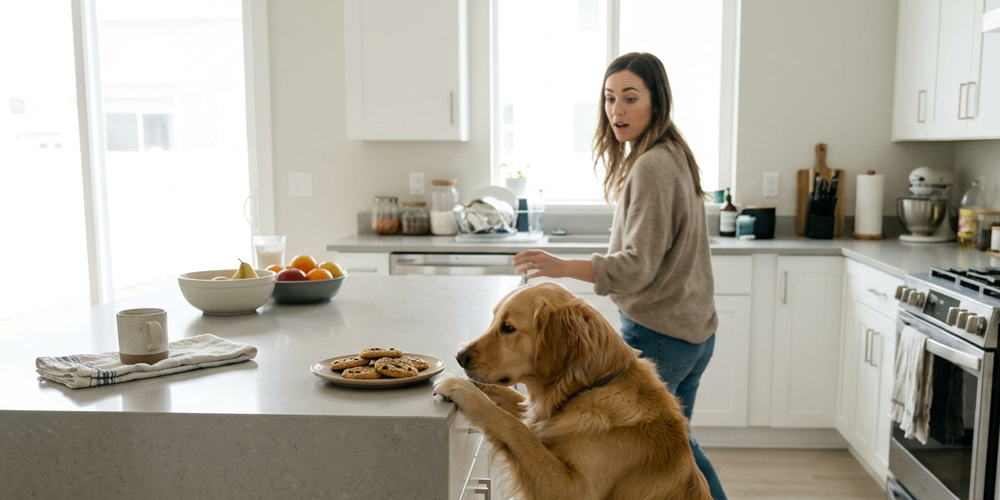
Your dog is sitting beside you, watching every bite of your dinner. You give them a tiny piece because, well, how could you say no to that face?
It's something millions of dog owners do without thinking twice. But here's the surprising part: some of the biggest food risks for dogs aren't unusual ingredients or obvious poisons. They're everyday foods sitting in our kitchens.
And while certain foods can cause serious poisoning, others may gradually contribute to weight gain, digestive problems or poor nutrition.
So, what could your dog be eating that deserves a closer look?
1. The Hidden Ingredient in Your Peanut Butter
Peanut butter is a favorite treat for many dogs. But before offering a spoonful, there's one ingredient you should always check for: xylitol.
Also called birch sugar or wood sugar, xylitol is a sweetener found in some sugar-free products, including certain peanut butters, chewing gums and candies.
It's extremely dangerous for dogs because it can trigger a sudden release of insulin, causing blood sugar to drop to life-threatening levels. Some dogs may also develop liver damage.
What to do: Check ingredient labels every time you buy peanut butter or other human treats for your dog. If you suspect xylitol ingestion, contact an emergency veterinarian immediately, even if your dog seems fine.
2. Foods That Are Healthy for You Could Be Toxic to Them
Here's something that catches many owners off guard: just because a food is nutritious for humans doesn't mean it's safe for dogs.
Some common examples include:
- Grapes and raisins: Can cause sudden kidney injury in dogs. The toxic amount is unpredictable, so any suspected ingestion needs prompt veterinary advice.
- Onions and garlic: Can damage red blood cells and cause anemia. Cooked, raw, dried and powdered forms can all be harmful.
- Macadamia nuts: Can cause weakness, vomiting, tremors and difficulty walking.
- Chocolate: Contains theobromine and caffeine, which can affect the heart and nervous system. Dark and baking chocolate are especially concerning.
- Caffeinated drinks: Coffee, energy drinks and other caffeine-containing products can cause dangerous symptoms.
The tricky part? These ingredients aren't always obvious. Raisins may be hidden in baked goods, while onion and garlic powder are common in sauces, soups and seasoning mixes.
What to do: Never assume a food is safe simply because it's natural, healthy or homemade.
3. Could Those Little Table Scraps Be Causing Problems?
A small piece of cheese. A bite of bacon. A little leftover meat.
Individually, these might not seem like much. But frequent table scraps can add more calories and fat to your dog's diet than you realize.
Rich, fatty foods can also trigger digestive upset and, in some dogs, pancreatitis, a potentially serious inflammation of the pancreas.
And don't forget that sauces, marinades and gravies may contain ingredients that are unsafe for dogs.
What to do: Keep treats and extras to approximately 10% or less of your dog's daily calories, unless your veterinarian recommends otherwise. Their main diet should provide complete and balanced nutrition.
4. Are You Accidentally Feeding Too Much?
Not every harmful feeding habit involves toxic food.
Sometimes, the problem is simply how much your dog eats every day.
It's easy to pour a generous scoop of kibble, add a few training treats, share a snack and forget that every extra bite counts.
Over time, excess calories can contribute to obesity, which increases the risk of joint problems and other health complications.
Try these simple changes:
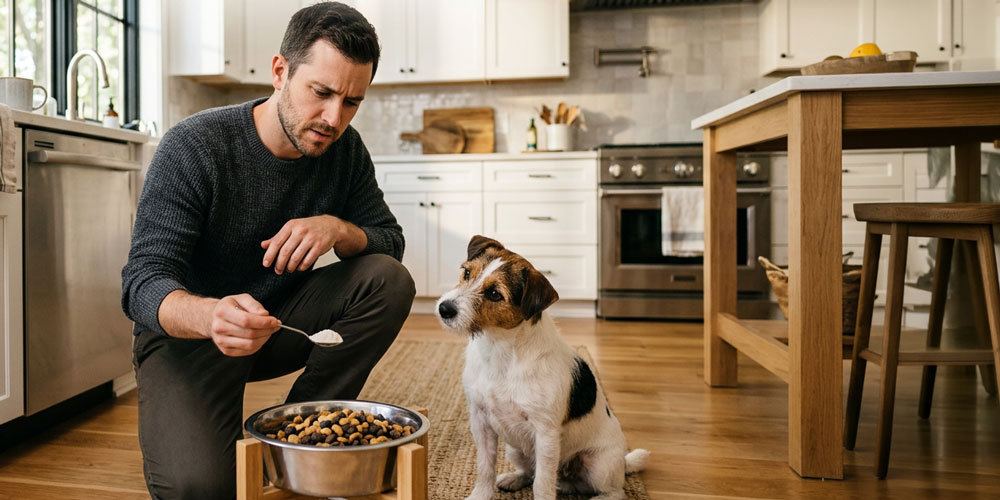
- Measure your dog's daily food rather than guessing.
- Check feeding guidelines and adjust with your veterinarian based on body condition and activity.
- Count treats as part of their daily food allowance.
- Use small rewards during training instead of full-sized treats every time.
- Consider using some of their regular kibble as training rewards.
For dogs who love working for their food, a KONG Classic Red Dog Toy can turn part of their measured daily kibble into an enriching activity without automatically adding extra calories.
5. Could Your Dog's Treats Be Adding Up?
We tend to think of treats as little extras. But depending on their size and calorie content, they can make up a surprisingly large part of a dog's daily intake.
And not all treats serve the same purpose.
Some are designed for training, others for chewing or dental care, and some are simply occasional snacks.
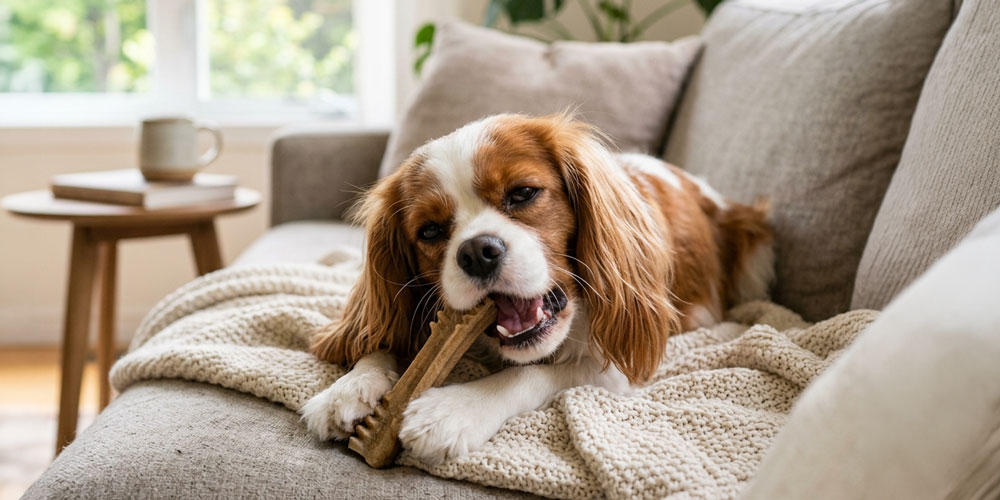
For example, Greenies Dental Treats Dog Original 340g are formulated to support dental hygiene, but they still contain calories and should be included in your dog's daily allowance. Always choose the appropriate size and follow the feeding directions.
What to do: Check the calories per treat, recommended serving size and your dog's individual needs. More treats don't necessarily mean more benefits.
6. Thanksgiving Dinner Has More Hidden Risks Than You Think
November means Thanksgiving is approaching, and for many American households, that means a kitchen full of delicious food and a dog hoping something falls off the counter.
But several popular Thanksgiving foods can cause problems.
- Turkey skin and fatty drippings: Can trigger digestive upset or pancreatitis.
- Cooked turkey bones: Can splinter or cause choking and digestive tract injuries.
- Stuffing and gravy: May contain onions, garlic, excess fat and salt.
- Raisin-filled desserts: Can expose dogs to potentially kidney-damaging grapes or raisins.
- Raw bread dough containing yeast: Can expand in the stomach and produce alcohol.
Want your dog to join the celebration? A small amount of plain, fully cooked, boneless, skinless turkey may be suitable for many healthy dogs, provided it contains no unsafe seasonings.
But the safest option is usually to keep their normal feeding routine.
7. What About Food That's Been Sitting Out?
Your dog probably doesn't care whether a piece of meat has been sitting on the counter for hours. If it smells interesting, they'll likely investigate.
Unfortunately, improperly stored food can allow harmful bacteria to multiply.
Raw meat, undercooked poultry and spoiled leftovers can expose dogs to foodborne pathogens, including Salmonella.
Dogs can also carry certain bacteria without obvious symptoms, potentially exposing people in the household.
What to do: Refrigerate perishable leftovers promptly, wash food bowls regularly, follow pet food storage instructions and avoid feeding spoiled food.
8. The Everyday Items That Aren't Food at All
Sometimes, what your dog swallows is more dangerous than what's actually on their plate.
Common examples include:
- Corn cobs that can cause intestinal blockages.
- Fruit pits that can become choking or obstruction hazards.
- Food wrappers and packaging.
- Cooked bones that can splinter or become lodged.
- Discarded food from unsecured trash cans.
Dogs don't always distinguish between something that smells edible and something that's safe to swallow.
Keep counters clear, secure trash cans and supervise dogs around unfamiliar foods and chews.
What Should You Do If Your Dog Eats Something Dangerous?
If you suspect your dog has eaten a toxic food, don't wait for symptoms to appear.
Contact your veterinarian or an emergency veterinary clinic immediately. You can also contact the ASPCA Animal Poison Control Center at (888) 426-4435 in the United States. Consultation fees may apply.
Be ready to explain:
- What your dog ate, including the ingredients if known.
- Approximately how much they swallowed.
- When it happened.
- Your dog's weight and any symptoms.
Never induce vomiting or give home remedies unless a veterinary professional specifically instructs you to do so.
Warning signs can include vomiting, diarrhea, weakness, trembling, unusual behavior, difficulty breathing, collapse or seizures. Some toxic exposures may cause delayed symptoms.
A Quick Food Safety Check You Can Do Today
Before your dog's next meal, take five minutes to check:
- Does anything in your pantry contain xylitol?
- Are grapes, raisins, chocolate and other toxic foods out of reach?
- Are you measuring your dog's food and accounting for treats?
- Are leftovers stored safely?
- Does everyone in your household know which foods not to share?
- Is your trash can secure from curious noses?
A few small changes can help prevent an unexpected emergency.
Summary
Your dog's biggest food risks aren't always obvious. Some are hidden in familiar ingredients, while others come from everyday habits such as sharing table scraps, overfeeding treats or leaving leftovers within reach.
The good news? Keeping your dog safer doesn't mean making mealtime complicated. It means knowing which foods to avoid, checking labels, measuring portions and choosing treats that suit your dog's needs.
And the next time those puppy eyes appear beside the dinner table? You'll have a much better idea of what deserves a firm no.