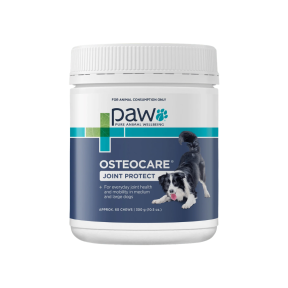

Walk into any pet store and you'll find shelves packed with vitamins, probiotics, fish oils, joint supplements, skin supplements, calming chews, and more.
It's enough to make any dog owner wonder: Does my dog actually need any of these, or is good-quality food enough?
The answer isn't as simple as "yes" or "no."
For many healthy dogs eating a complete and balanced diet, quality nutrition provides most of the nutrients they need. However, there are times when targeted supplements can offer additional support, particularly as dogs age or develop specific health needs.
Here's what every dog owner should know.
Nutrition Comes First
A complete and balanced dog food is designed to provide the essential nutrients your dog needs every day, including protein, healthy fats, carbohydrates, vitamins, and minerals.
Think of nutrition as the foundation of your dog's health.
Supplements can't make up for a poor diet. If your dog's everyday food isn't meeting their nutritional needs, adding supplements is unlikely to solve the underlying problem.
That's why choosing a high-quality diet should always be your first priority.
So, What Are Supplements For?
Supplements aren't intended to replace a balanced diet. Instead, they're designed to provide extra support in specific areas when it's needed.
For example, your dog may benefit from additional support for:
- Joint health
- Skin and coat condition
- Digestive health
- Mobility in older age
- Stress during travel or life changes
Rather than trying to do everything, supplements are usually formulated with one particular goal in mind.
When Might Supplements Be Worth Considering?
Not every dog needs supplements, but there are situations where they may be helpful.
You might consider them if your dog:
- Is entering their senior years.
- Has an active lifestyle that puts extra strain on their joints.
- Experiences recurring skin or coat issues.
- Has a sensitive stomach or digestive concerns.
- Has been advised by your veterinarian to support a specific condition.
Every dog is different, so what works for one may not be necessary for another.
More Isn't Always Better
One of the biggest misconceptions is that if one supplement is good, several must be even better.
In reality, giving unnecessary supplements can increase costs and, in some cases, provide nutrients your dog simply doesn't need.
Choosing products based on your dog's individual needs is usually far more beneficial than buying everything on the shelf.
Popular Supplements Explained
Here's a quick overview of some of the most common options:
Joint Supplements
Often chosen for senior dogs, large breeds, or active dogs to help support healthy joints and mobility.
Omega-3 Supplements
Support healthy skin, a glossy coat, and may also benefit joint health.
Probiotics
Help maintain a healthy balance of beneficial bacteria in the digestive system and may support gut health.
Multivitamins
Generally best used when recommended by your veterinarian or for dogs with specific nutritional requirements rather than as an everyday necessity for every healthy dog.
Choosing the Right Products
With so many products available, it helps to focus on your dog's individual lifestyle rather than marketing claims.
Ask yourself:
- How old is my dog?
- Are they highly active?
- Do they have any recurring health concerns?
- Has my veterinarian recommended additional support?
Answering these questions can help narrow down which products may genuinely benefit your dog.
Summary
For most healthy dogs, complete and balanced nutrition should always come first. Supplements aren't a replacement for good food, but they can play an important role in supporting specific aspects of your dog's health when used appropriately.
By understanding the difference between everyday nutrition and targeted supplementation, you can make more informed decisions and choose products that truly meet your dog's needs.
Good nutrition builds the foundation. The right supplement can help strengthen it when your dog needs a little extra support.