Summary: Your cat’s poop can reveal a lot about their health, from digestion and diet to potential parasites. By paying attention to color, consistency, and litter box habits, you can spot early signs of issues and take action before they become serious.
Jump to: What Normal Cat Poop Looks Like | Cat Poop Color Guide | Consistency & Litter Box Clues | How Often Should Cats Poop? | When to Be Concerned | How to Keep Your Cat’s Poop Healthy
What Normal Cat Poop Looks Like
Healthy cat poop is usually:
- Dark brown in color
- Firm and well-formed
- Compact and easy to scoop
- Passed without visible strain
Cats tend to have smaller, firmer stools than dogs, especially when on a high-protein diet.
Cat Poop Color Guide
Color changes can be one of the first signs something is off.
- Brown: Normal and healthy
- Green: Could be dietary or rapid digestion
- Yellow: Possible digestive upset or food intolerance
- Black: May indicate digested blood
- Red streaks: Fresh blood, often from irritation
- Pale or gray: Potential liver or bile concerns
If unusual colors persist for more than a day or two, it’s worth investigating further.
Consistency & Litter Box Clues
With cats, it’s not just the poop, it’s how they use the litter box.
- Firm: Ideal
- Soft or sticky: Mild digestive upset
- Runny: Diarrhea, possibly diet-related or parasites
- Hard, dry stools: Common sign of dehydration
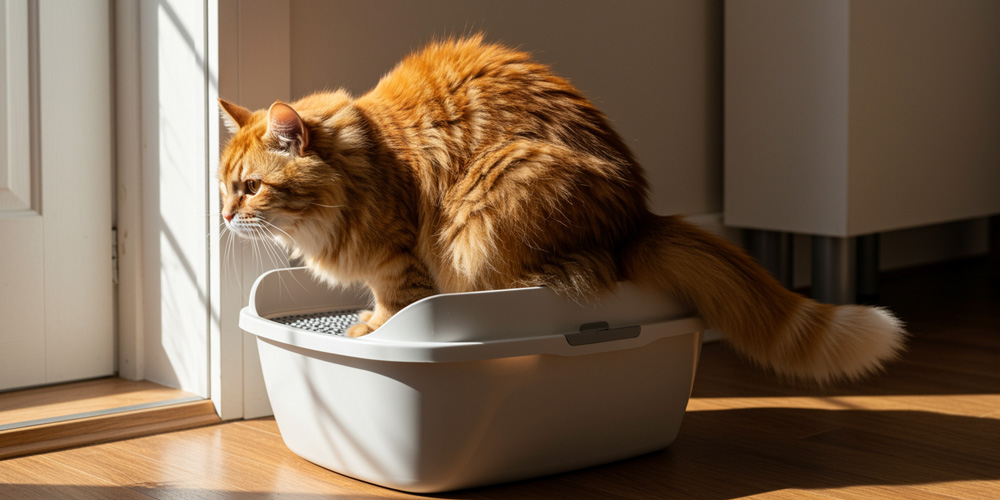
Litter box behavior matters:
- Frequent trips with little output
- Straining or vocalizing
- Avoiding the litter box entirely
These can indicate constipation, discomfort, or underlying health issues.
How Often Should Cats Poop?
Most cats will poop once per day, though it can vary depending on:
- Diet type (wet vs dry food)
- Hydration levels
- Age and activity
Skipping a day occasionally can be normal, but ongoing changes in frequency should be monitored.
When to Be Concerned
Keep an eye out for these warning signs:
- Constipation lasting more than 48 hours
- Persistent diarrhea
- Blood or mucus in stool
- Noticeable changes in litter box habits
- Loss of appetite alongside stool changes
Cats are good at hiding discomfort, so subtle changes can be important early indicators.
How to Keep Your Cat’s Poop Healthy
Consistency is key when it comes to digestive health.
- Provide a balanced, high-quality diet
- Encourage hydration (especially for indoor cats)
- Maintain regular parasite prevention
- Avoid sudden food changes
Parasites like worms can impact stool quality and overall health, even in indoor cats. Preventative care helps keep things consistent and stress-free.
Summary: Monitoring your cat’s poop might not be glamorous, but it is one of the simplest ways to stay on top of their health. Small changes can tell you a lot, especially when caught early.