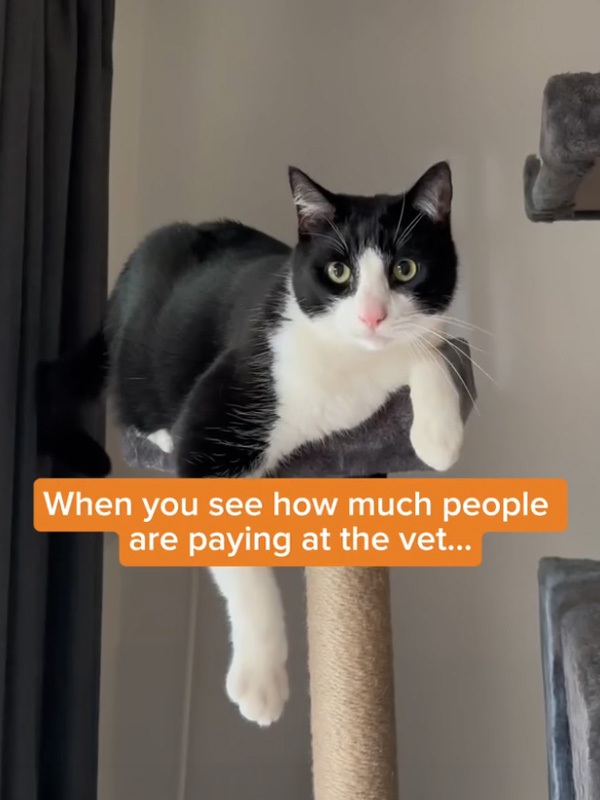

We'd do just about anything for our pets. Unfortunately, our bank accounts know it.
Between parasite prevention, supplements, grooming, toys, treats, dental care, and everything else that somehow finds its way into the cart, the cost of caring for a pet can add up quickly.
But spending less doesn't have to mean giving your pet less.
In fact, a few smarter decisions can help you cut unnecessary costs while still giving your dog or cat the care they need. So, are you spending more on your pet than you actually need to?
1. Are You Paying for Problems Instead of Preventing Them?
Preventative care can feel like another expense, especially when your pet seems perfectly healthy.
But skipping routine protection to save money can sometimes result in a much bigger expense later.
Parasite prevention is a good example. Fleas, ticks, heartworm, and intestinal worms can cause health problems that may require veterinary treatment. Keeping appropriate prevention up to date helps reduce your pet's risk before there is a problem to deal with.
The cheapest option today isn't always the cheapest option long term.
2. Are You Buying Several Products When One Could Do the Job?
Take a look inside your pet care cupboard. How many different preventatives are in there?
Depending on your pet's needs, you may be using one product for fleas and ticks, another for heartworm, and another for intestinal worms.
Broad-spectrum parasite preventatives can cover several parasites in one treatment. For some dogs, products such as NexGard Spectra or Simparica Trio may simplify their routine compared with purchasing multiple separate products.
That doesn't automatically make a combination product the cheapest or right choice for every pet. Compare the parasites covered, treatment frequency, pack size, and cost per dose rather than simply comparing the price on the front of the box.
3. Are You Comparing the Price... or the Price Per Dose?
A smaller pack almost always looks cheaper.
But that doesn't necessarily mean it costs less over time.
If your pet uses the same preventative consistently, compare how much you're actually paying per treatment. A larger pack may offer better value than repeatedly purchasing smaller quantities.
The same principle can apply to other products your pet regularly uses, including dental care, grooming products, and some supplements.
Before choosing the cheapest-looking option, ask:
- How many treatments or servings are included?
- How often will I need to use it?
- How long will the pack last?
- What is the approximate cost per use?
That gives you a much more useful comparison than the sticker price alone.
4. Does Your Dog Actually Need Every Supplement?
Joint support. Skin and coat powders. Probiotics. Multivitamins. Calming supplements.
There are plenty of useful supplements available, but that doesn't mean every healthy dog needs every one of them.
If your dog already eats a complete and balanced diet, they should already be receiving the essential nutrients they need from their food.
Supplements are most useful when they're chosen for a reason, such as supporting joint health in an older dog or providing targeted nutritional support based on an individual need.
Instead of building a supplement collection "just in case," consider what your pet actually needs and speak with your veterinarian if you're unsure.
5. Are You Spending Money on Toys Your Pet Doesn't Use?
You buy the exciting new toy. Your dog sniffs it once... then goes back to the same battered ball they've loved for three years.
Sound familiar?
You don't need a constantly growing toy basket to keep your pet entertained.
Try rotating a smaller collection instead. Put some toys away for a week or two, then bring them back. To your pet, they can suddenly feel interesting again without you buying anything new.
You can also prioritize toys that serve multiple purposes, such as treat-dispensing or interactive toys that provide both play and mental stimulation.
6. Are You Waiting Until Something Runs Out?
Running out of an essential product often leads to rushed purchases.
Keeping track of when your pet's parasite prevention, dental products, grooming supplies, and other essentials are due to run out gives you time to compare your options rather than buying whatever you can find at the last minute.
A simple reminder on your phone can also help prevent missed doses or unnecessary duplicate purchases.
7. Are You Taking Advantage of Free Shipping?
Ordering one small item every time you remember something can quickly add unnecessary shipping costs.
Instead, take a quick inventory of the products you'll need over the coming weeks or months and combine them into one order where practical.
At VetShopMax, orders over $125 qualify for free shipping, so planning ahead can help you avoid paying shipping on several smaller orders.
Just be careful not to add products you don't actually need purely to reach a free-shipping threshold. That's not saving money!
What Shouldn't You Cut Back On?
Saving money is great. Compromising your pet's health isn't.
Some essentials shouldn't be skipped simply to reduce costs.
These may include:
- Appropriate parasite prevention
- Veterinary care when your pet is sick or injured
- A complete and balanced diet
- Necessary medications
- Routine dental and preventative health care
The goal isn't to spend as little as possible. It's to make sure the money you are spending is going toward things that genuinely benefit your pet.
Summary
Being a great pet owner doesn't mean buying every product on the shelf.
Compare cost per dose, choose products based on what your pet actually needs, stay ahead of preventative care, rotate toys instead of constantly replacing them, and plan your purchases before you run out.
A few smarter choices can help your pet get the care they need without your pet budget getting completely out of control.