The days are getting shorter, temperatures are starting to drop, and summer is slowly giving way to fall.
So, can you finally stop worrying about fleas, ticks, mosquitoes, and other parasites?
Not so fast.
One of the biggest misconceptions about parasite prevention is that cooler weather automatically means parasite season is over. While the risks can change with the seasons, many parasites can remain active well into fall, and some can pose a threat throughout the year.
Before you skip your pet's next dose, here's what you need to know.
Does Cooler Weather Mean Fewer Parasites?
Sometimes, but it isn't as simple as waiting for summer to end.
Parasite activity depends on several factors, including where you live, local temperatures, humidity, wildlife, and your pet's lifestyle.
A warm fall can extend flea and tick activity, while heated homes can provide fleas with a comfortable environment long after temperatures outside have dropped.
That's why it's better to think about your pet's actual exposure and protection rather than relying on the calendar.
What Happens to Fleas in Fall?
Fleas don't necessarily disappear when summer ends.
Adult fleas prefer warm conditions, but your home can provide exactly that. Flea eggs, larvae, and pupae may also be hiding in carpets, bedding, furniture, and other areas around the home.
This means an infestation that started during warmer weather can continue into fall, particularly once everyone begins spending more time indoors.
If you've been using flea prevention throughout summer, fall usually isn't the time to suddenly become inconsistent.
Are Ticks Still a Risk?
Yes. Depending on where you live, ticks may remain active during surprisingly cool weather.
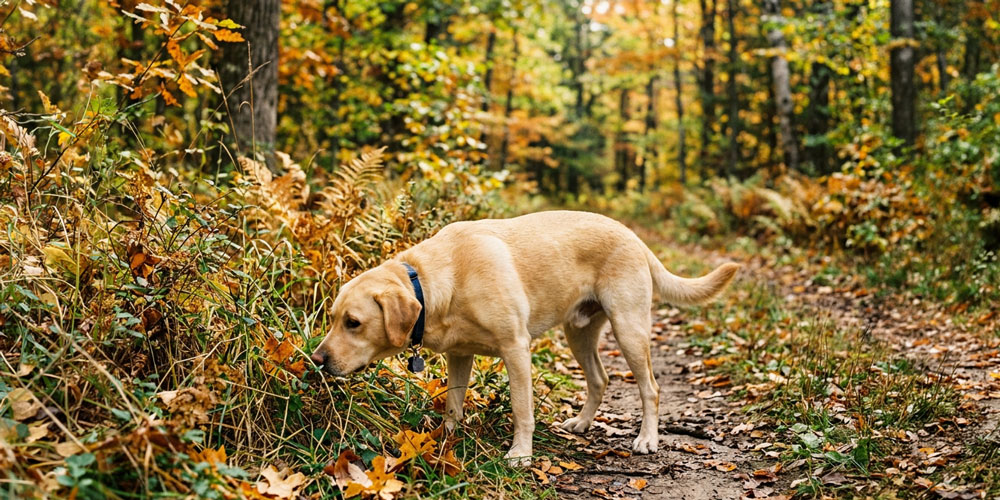
Fall can also mean more hikes, camping trips, and walks through wooded areas as temperatures become more comfortable for both dogs and their owners.
Those adventures can increase exposure to the grassy, wooded, and brush-filled environments where ticks are commonly found.
Continue checking your dog after outdoor adventures, paying particular attention to:
- Around the ears
- Under the collar
- Between the toes
- Under the legs
- Around the face and neck
- Under the tail
Dogs with thick or long coats may require an especially thorough check.
What About Heartworm When Mosquitoes Start Disappearing?
Heartworm is transmitted through the bite of an infected mosquito, so it's easy to assume heartworm prevention is only important during peak mosquito season.
The problem is that weather isn't completely predictable, and mosquito activity varies significantly depending on where you live.
Stopping prevention based purely on the month can create unnecessary gaps in protection.
Heartworm disease can also develop for months before obvious symptoms appear, making prevention particularly important.
If you're unsure whether your pet requires year-round heartworm prevention in your area, speak with your veterinarian before changing their schedule.
Don't Forget About Intestinal Worms
Roundworms, hookworms, and other intestinal parasites aren't exclusively summer problems either.
Pets can encounter parasites through contaminated soil, feces, prey, other animals, and their surrounding environment.
That means your dog's morning walk or your cat's outdoor adventures can still expose them even when the weather feels cooler.
So, Should You Change Your Pet's Prevention in Fall?
For many pets, the answer isn't necessarily to change or stop prevention at all.
Instead, fall is a great time to review what you're currently using.
Ask yourself:
- Which parasites does my pet's current product protect against?
- Have I missed or delayed any doses?
- Will my pet spend more time hiking or outdoors this fall?
- Are fleas and ticks still active where I live?
- Am I using multiple products when a broader-spectrum option may suit my pet?
Different preventatives cover different parasites, so never assume that a flea and tick product also protects against heartworm or intestinal worms.
Which Type of Protection Is Right for Your Pet?
There isn't one preventative that's right for every pet.
Broad-spectrum options can make parasite prevention simpler by protecting against several common parasites with one treatment, while some pets may need separate products based on their individual risks.
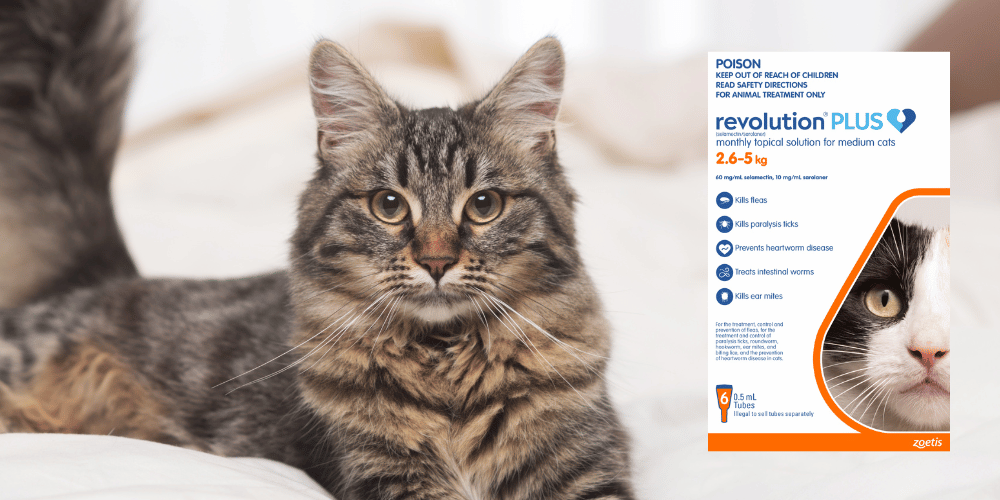
Popular options for dogs include products such as NexGard Spectra, Simparica Trio, Bravecto, Interceptor Spectrum, and Heartgard Plus, while cat owners may consider options such as Revolution Plus or Bravecto Plus for Cats.
Always check exactly what a product covers, follow the recommended dosing schedule, and choose the appropriate product for your pet's species, age, and weight. If you're unsure about the right combination, ask your veterinarian.
Don't Let the First Cool Day Fool You
That first crisp fall morning can make summer feel officially over, but parasites don't follow our calendars.
Depending on your location, fleas, ticks, mosquitoes, and intestinal parasites may still pose a risk well after temperatures begin to fall.
The safest approach is to avoid making seasonal changes to your pet's parasite prevention without first considering their individual risk.
Summary
Fall doesn't automatically mean it's time to put parasite prevention away.
Instead, use the change of season as a reminder to check what your pet is protected against, make sure you haven't missed any doses, and consider whether their fall lifestyle could expose them to different risks.
Parasite risks may change with the seasons, but keeping your pet protected shouldn't be left to guesswork.