
Dog dental care usually starts the same way for most owners.
You notice your dog’s breath smells terrible, Google whether that’s normal, then suddenly realize dogs are apparently supposed to have actual dental routines.
The truth is, dental health plays a much bigger role in your dog’s overall wellbeing than many people realize.
And while brushing your dog’s teeth may sound slightly unrealistic at first, keeping their mouth healthy is often easier than owners expect once you build a routine.
Here’s what every dog owner should know about keeping their dog’s teeth healthy.
Why Dog Dental Care Matters
Dental disease is extremely common in dogs, especially as they get older.
Plaque and tartar buildup can eventually lead to:
- Bad breath
- Inflamed gums
- Tooth loss
- Pain while eating
- Bacterial infections
In more serious cases, untreated dental problems may even affect other parts of the body over time.
The tricky part is that many dogs continue acting normal even when their mouth is uncomfortable.
Signs Your Dog May Have Dental Problems
Some signs are obvious, while others are easy to miss during everyday life.
Things to watch for include:
- Persistent bad breath
- Yellow or brown buildup on teeth
- Red or swollen gums
- Drooling more than usual
- Difficulty chewing
- Pawing at the mouth
- Reduced interest in hard food or toys
If your dog shows signs of pain, bleeding gums, or major eating changes, it’s always best to speak with your veterinarian.
How Often Should You Brush Your Dog’s Teeth?
Ideally, several times per week.
Daily brushing is considered best for preventing plaque buildup, but realistically, consistency matters more than perfection.
Even brushing a few times each week can make a noticeable difference over time.
The key is introducing dental care gradually so your dog doesn’t immediately decide the toothbrush is their greatest enemy.
Tips for Brushing Your Dog’s Teeth
If your dog has never had their teeth brushed before, start slowly.
Helpful tips include:
- Use dog-specific toothpaste only
- Let them smell and taste the toothpaste first
- Keep early sessions short and positive
- Reward calm behavior with treats or praise
- Focus on consistency rather than perfection
Human toothpaste should never be used for dogs as some ingredients can be harmful to pets.
Dental Chews and Toys Can Help Too
Brushing is important, but it’s not the only thing that helps support dental health.
Many owners also use:
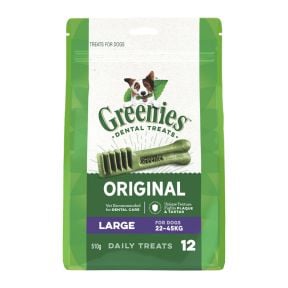
- Dental chews
- Dental treats
- Textured chew toys
- Water additives
- Dental support supplements
These products can help reduce plaque buildup and support fresher breath between brushing sessions.
Some dogs are also significantly more cooperative when they think dental care tastes like a snack.
Why Small Dogs Often Need Extra Dental Care
Small dog breeds are often more prone to dental issues because their teeth are crowded closer together.
This can allow plaque and tartar to build up faster if regular cleaning routines aren’t maintained.
Breeds commonly known for dental sensitivity may benefit from earlier and more consistent dental care habits.
Helpful Products for Dog Dental Care
Building a simple dental routine at home doesn’t need to be complicated.
Popular dental care products many dog owners use include:
- Dog toothbrushes
- Dog-safe toothpaste
- Dental chews
- Dental treats
- Water additives
- Dental support supplements
- Textured chew toys
VetShopMax offers a wide range of genuine, vet-approved pet dental care products with no RX required across many everyday wellness categories.
Can Dental Problems Be Prevented?
While some dogs are naturally more prone to dental issues than others, regular care can make a huge difference.
Simple habits like brushing, dental treats, routine checkups, and monitoring changes early may help reduce the risk of more serious dental problems later on.
And honestly, your dog having fresher breath is a pretty solid bonus too.
Summary
Dental health is an important part of your dog’s overall wellbeing, even if it’s often overlooked by pet owners.
Regular brushing, dental products, and early prevention can help keep your dog’s teeth healthier and more comfortable long-term.
Because “dog breath” might be common… but it shouldn’t smell like something that belongs in a swamp.