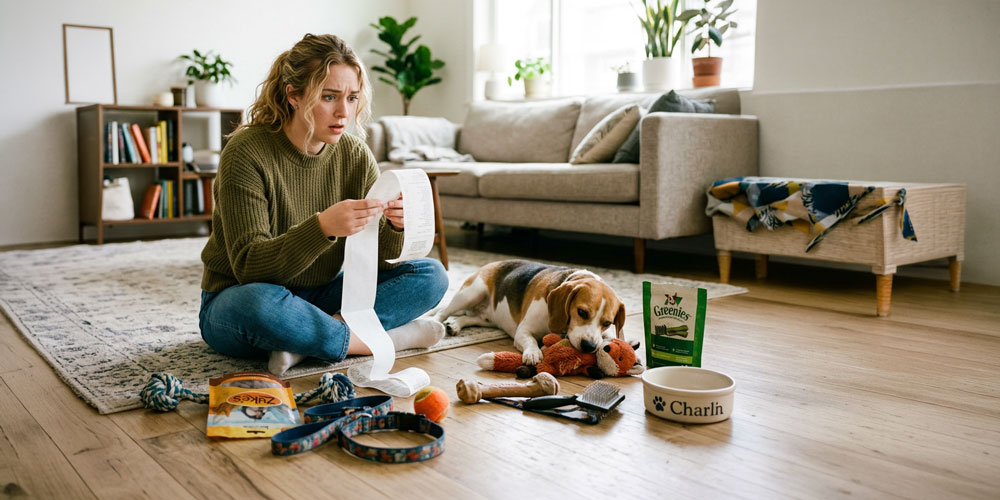
There's something about the end of the year that makes us want to get organized.
We clean out cupboards, replace things we've been putting off and start making plans for January.
But when was the last time you checked your pet's supplies?
Not just how many toys they own or whether their treat jar is full. We're talking about the everyday essentials that might be running low, wearing out or no longer meeting their needs.
Before you spend money on another cute accessory, it might be worth checking what your dog or cat actually needs heading into the new year.
Here's what deserves a place on your year-end shopping list, what you should inspect before replacing and what you can probably skip altogether.
1. Worth Restocking: Parasite Prevention Before You Run Out
Quick question: do you know when your pet's next parasite treatment is due?
And more importantly, do you have the next dose ready?
Running out of parasite prevention is an easy mistake to make, especially during the busy holiday season.
But fleas, ticks, heartworms and intestinal parasites don't follow your shopping schedule.
Depending on where you live, parasite risks can continue throughout winter. Fleas may survive indoors, and ticks can remain active during milder weather.
Before January, check:
- How many doses you have remaining.
- When your pet's next treatment is due.
- Whether the product is appropriate for their current weight.
- Which parasites the treatment actually covers.
- Whether the product will expire before you use it.
For dogs, you can compare parasite prevention products, including options such as Credelio Plus and Frontline Plus.
These products don't provide identical parasite coverage. For example, Frontline Plus is intended for flea and tick control, while Credelio Plus covers additional parasites according to its product label.
Follow your veterinarian's recommendations, use the correct species- and weight-specific formulation, and never combine treatments without appropriate guidance.
Worth buying? Yes, if you're due for a refill. Just don't buy extra medication without checking expiration dates and your pet's current needs.
2. Worth Replacing: Dental Products That Have Seen Better Days
Be honest. How long has your pet's toothbrush been sitting in the bathroom cupboard?
If the bristles are flattened, the toothpaste is expired or you can't remember the last time you used either, your pet's dental routine might need some attention.
Dental disease is common in dogs and cats, and plaque can begin accumulating quickly without regular care.
Daily toothbrushing with pet-appropriate toothpaste is one of the most useful things owners can do at home to help reduce plaque.
But there's an important distinction between maintaining healthy teeth and treating existing dental disease.
Dental products cannot remove established tartar below the gumline or replace a professional veterinary dental assessment.
Before buying anything new, check whether you already have:
- A soft toothbrush suitable for your pet.
- Pet-specific toothpaste that hasn't expired.
- A realistic brushing routine you can maintain.
- Any veterinary recommendations for additional dental care.
VetShopMax offers dog dental health products, including toothbrushes, toothpaste and dental chews.
For dogs, Petosan Toothpaste Poultry Flavour is one option designed for regular toothbrushing.
Never use human toothpaste on your pet.
Worth buying? A replacement toothbrush or suitable toothpaste can be a practical purchase if your existing supplies are worn out or expired.
3. Worth Checking: Your Pet's Everyday Food Supply
Imagine waking up on New Year's Day and discovering you've run out of your dog's usual food.
Now every nearby store is closed, and you're wondering whether something completely different will do.
Not exactly the best start to January.
Changing food abruptly can cause digestive upset in some pets, particularly those with sensitive stomachs.
Before the holiday period, check how much of your pet's usual food you have remaining and whether you'll need to restock.
But here's the part many owners overlook: buying the biggest bag available isn't automatically the smartest choice.
Think about:
- How quickly your pet finishes their food.
- Expiration dates and storage instructions.
- Whether your pet is approaching a different life stage.
- Any upcoming veterinary diet changes.
- Whether opened food can be stored safely for the recommended period.
Store dry food according to its packaging instructions, ideally in its original bag inside a clean, sealed container.
And if your pet eats a prescription diet, make sure you have enough of their veterinarian-recommended food to cover holiday closures.
Worth buying? Your pet's usual food, in a quantity you'll actually use while it's fresh. Skip unfamiliar bulk purchases made simply because the price looks attractive.
4. Worth Replacing: Worn-Out Leashes, Collars and Carriers
Some pet products don't need replacing until something is wrong with them.
But when it comes to safety equipment, waiting until it breaks isn't a great strategy.
That leash you've used for years might still look fine at first glance. Take a closer look, though, and you may notice fraying around the stitching or a clip that doesn't close properly.
The same applies to collars, harnesses and pet carriers.
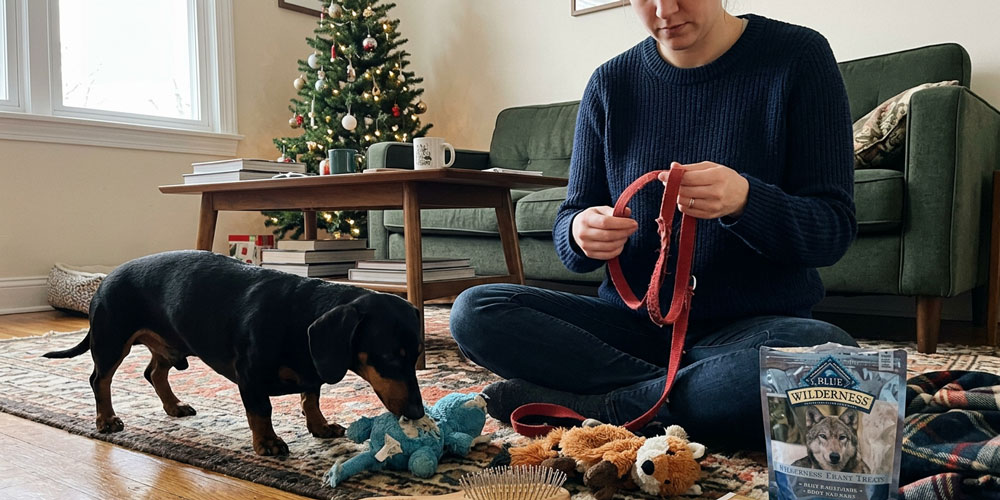
Before the new year, inspect:
- Leashes for frayed material or damaged clips.
- Collars and harnesses for worn straps and broken buckles.
- Identification tags for outdated or unreadable information.
- Cat carriers for damaged doors, locks or handles.
- Travel restraints for wear and compatibility with your vehicle.
Check that your pet's equipment still fits properly, particularly if they're growing, gaining weight or losing weight.
And don't forget to confirm that their microchip registration and contact details are current.
Worth buying? Absolutely, when an existing item is damaged, unsafe or no longer fits. A new matching collar set purely for the color? That's optional.
5. Worth Considering: Enrichment Your Pet Will Actually Use
Does your dog have a basket overflowing with toys but still insist on playing with the same one every day?
Or maybe your cat has completely ignored the expensive toy you bought and decided the cardboard packaging is much more interesting.
Pets don't judge toys by their price tags.
They respond to how enjoyable, engaging and rewarding the activity is.
For dogs, food-dispensing toys, sniffing games and appropriate chew activities can provide opportunities for mental stimulation.
For cats, activities that encourage stalking, chasing and pouncing can help satisfy natural hunting behaviors.
If your cat enjoys food puzzles, the KONG Wobbler Cat Toy is designed to dispense food as the cat interacts with it.
Alternatively, the KONG Connects Window Teaser Cat Toy encourages play through movement and feathered attachments.
You can also explore the cat toy collection for other styles of play.
Always supervise toys when appropriate, inspect them for damage and remove small or loose pieces that could be swallowed.
Worth buying? One suitable enrichment item if your pet needs a new activity. But first, try rotating toys you already own.
6. Worth Reviewing: Grooming Supplies You Actually Need
Here's another product category that can quietly build up over time.
Shampoos, brushes, grooming sprays, wipes, conditioners, detangling products... suddenly you've got an entire cupboard dedicated to your pet's coat.
But more grooming products don't necessarily mean better grooming.
A short-haired dog and a long-haired cat have very different coat-care requirements.
And a product that works beautifully for one pet may be unsuitable for another.
Before buying more, ask yourself:
- Is the current brush appropriate for my pet's coat?
- Are any grooming tools damaged or uncomfortable to use?
- Have any shampoos or skin products expired?
- Does my pet have an actual skin concern that needs veterinary attention?
- Am I buying another product that does exactly the same thing as one I already own?
For pets with persistent itching, hair loss, redness or skin irritation, don't keep trying new grooming products without investigating the underlying cause.
Worth buying? Replacements for products you regularly use and that suit your pet's needs. Skip the unnecessary extras.
7. Think Twice: Supplements Without a Clear Purpose
Joint support. Skin and coat health. Digestive support. Calming formulas.
There are supplements marketed for almost every aspect of pet health.
And some can be useful for particular animals.
But that doesn't mean every pet needs them.
A healthy dog or cat eating a complete and balanced diet may not benefit from an additional general multivitamin.
Meanwhile, a pet with a specific medical or nutritional need may benefit from a carefully selected supplement recommended by their veterinarian.
Before purchasing, ask:
- What specific issue am I trying to address?
- Has my veterinarian identified a need for this product?
- Is there reliable evidence supporting its intended use?
- Could it interact with medication or duplicate nutrients?
- How will I know whether it's helping?
Worth buying? When there's a genuine reason and appropriate veterinary guidance. Skip buying supplements simply because you think every pet should take them.
8. Probably Worth Skipping: Products That Solve Problems You Don't Have
It's easy to convince yourself that your pet needs something once you've seen it advertised enough times.
A special feeding bowl. Another grooming gadget. A new type of toy. A fancy accessory that promises to make everyday life easier.
Some of these products are genuinely useful.
Others might solve a problem your pet doesn't actually have.
For example, a slow feeder can be helpful for certain pets that eat too quickly. But if your dog already eats comfortably at a normal pace, it may not be necessary.
Similarly, specialized bedding can be valuable for an animal with mobility challenges, while another pet may be perfectly comfortable with their existing bed.
Before buying something new, ask one simple question:
What will this product improve for my pet?
If you can't identify a meaningful benefit, you probably don't need to purchase it right now.
9. Don't Forget the Supplies You Already Have
Sometimes the smartest year-end purchase is no purchase at all.
Before ordering more pet products, spend ten minutes checking what you've already got.
You might discover an unopened bag of treats, a spare brush or enough parasite prevention to last another few months.
Check storage conditions and expiration dates, particularly for medications, supplements and food.
Don't use expired medication without veterinary or pharmacist advice, and never give one pet medication prescribed for another animal.
It's also worth disposing of damaged toys and unsafe equipment rather than keeping them around just in case.
A quick inventory can help you avoid duplicate purchases while making sure the important things are ready when you need them.
Your 10-Minute Year-End Pet Supply Check
Not sure where to start? Work through this quick checklist:
- Parasite prevention: Check your next dose date, remaining supply and expiration dates.
- Dental care: Inspect toothbrushes and check toothpaste expiration dates.
- Food: Make sure you have enough of your pet's usual diet for the holiday period.
- Walking equipment: Check leashes, collars and harnesses for damage or poor fit.
- Identification: Confirm tags and microchip contact details are current.
- Toys: Remove damaged toys and rotate suitable ones your pet already owns.
- Grooming: Replace worn tools and dispose of unsuitable or expired products.
- Medications: Review supplies and refill veterinarian-prescribed treatments when needed.
Once you've finished, divide your shopping list into three groups: essentials to restock, damaged items to replace and optional purchases to consider later.
It's a much more useful way to prepare for January than buying a cart full of products you might never use.
Summary
Getting organized for the new year doesn't mean replacing everything your pet owns.
It means making sure their everyday essentials are safe, suitable and ready when needed.
Parasite prevention, dental supplies, regular food and reliable safety equipment are all worth reviewing before January.
Enrichment toys and grooming products can also be worthwhile, but only when they meet a genuine need.
The best pet purchases aren't always the newest, most expensive or most exciting. They're the ones that make a meaningful difference to your pet's health, comfort and everyday life.
So before you add another item to your cart, check what you've already got.
Your pet might need less than you think.