Your dog is an absolute angel. They spend most afternoons snoozing on the couch, happily following you around the house and occasionally investigating the kitchen for snacks.
Then the doorbell rings.
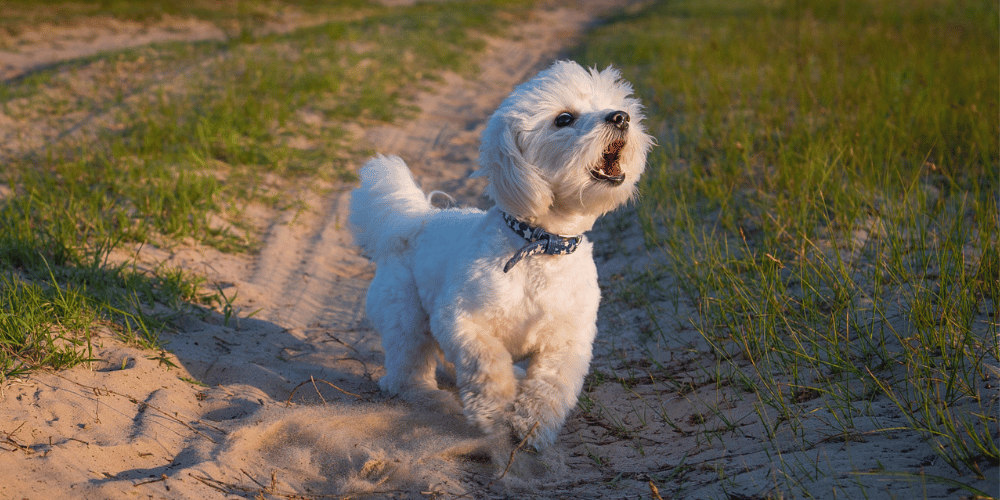
Suddenly, your normally calm dog is barking at full volume, jumping on everyone, racing around the living room or hiding somewhere nobody can find them.
Sound familiar?
With Christmas gatherings, visiting relatives and holiday parties filling the calendar, you might be seeing a completely different side of your dog lately.
But here's the interesting part: your dog isn't necessarily misbehaving. Their reaction to visitors can tell you a lot about how they're feeling.
So why do dogs act so differently when guests arrive, and how can you tell whether they're excited, overwhelmed or genuinely uncomfortable?
Why Does Having Guests Change Your Dog's Behavior?
Think about what happens when someone visits your home.
The doorbell rings. People start talking. New smells enter the house. Furniture gets moved, someone laughs loudly, and suddenly there's an unfamiliar person sitting in your dog's favorite spot.
For us, it's a normal social gathering.
For your dog, it's a significant change to their familiar environment.
Dogs rely heavily on scent, sound, body language and learned routines to understand what's happening around them.
When visitors arrive, all of those things can change at once.
Depending on your dog's personality, experiences and comfort level, that can trigger excitement, uncertainty, frustration or fear.
And two dogs can respond to the exact same visitor in completely different ways.
1. Your Dog Suddenly Becomes Extremely Excited
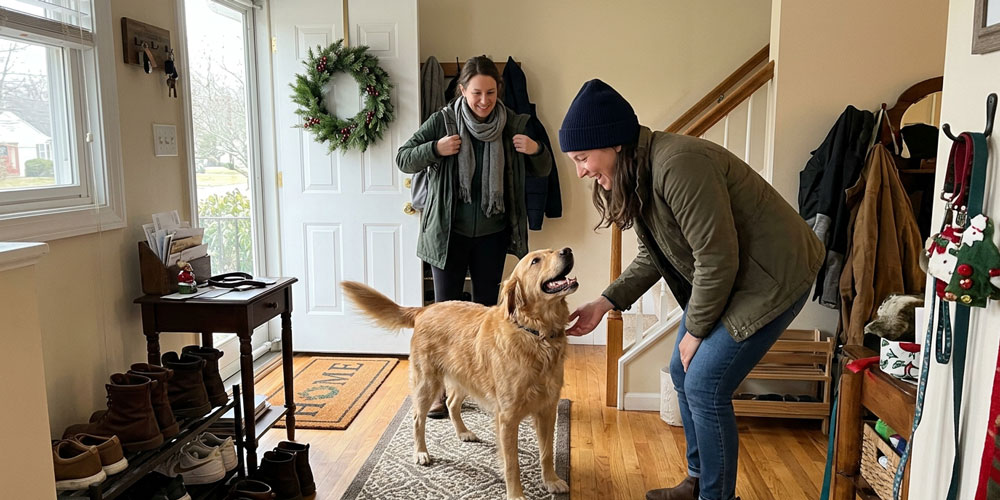
Some dogs seem to believe every visitor has arrived specifically to see them.
The tail starts wagging. The whole body wiggles. They're bouncing between people, bringing toys to strangers and attempting to climb into someone's lap.
For social dogs, visitors can be incredibly exciting.
New people bring interesting smells, attention and opportunities for interaction.
But excitement and being comfortable aren't always the same thing.
A dog can become so highly aroused that they struggle to listen, settle or control their movements.
That doesn't necessarily mean they're having the best time of their life.
What helps?
- Reward calm behavior before guests enter.
- Ask visitors to avoid encouraging jumping.
- Teach your dog to settle on a designated mat or bed.
- Give your dog short breaks away from the activity.
- Keep greetings brief and relaxed rather than turning them into a huge event.
If your dog loves food-based enrichment, an appropriately sized KONG Classic Red Dog Toy filled with part of their regular food allowance can provide an alternative activity away from the front door.
Introduce the toy during calm periods first, rather than expecting an unfamiliar activity to work during a busy gathering.
2. Your Dog Barks at Guests but Seems Fine Once They're Inside
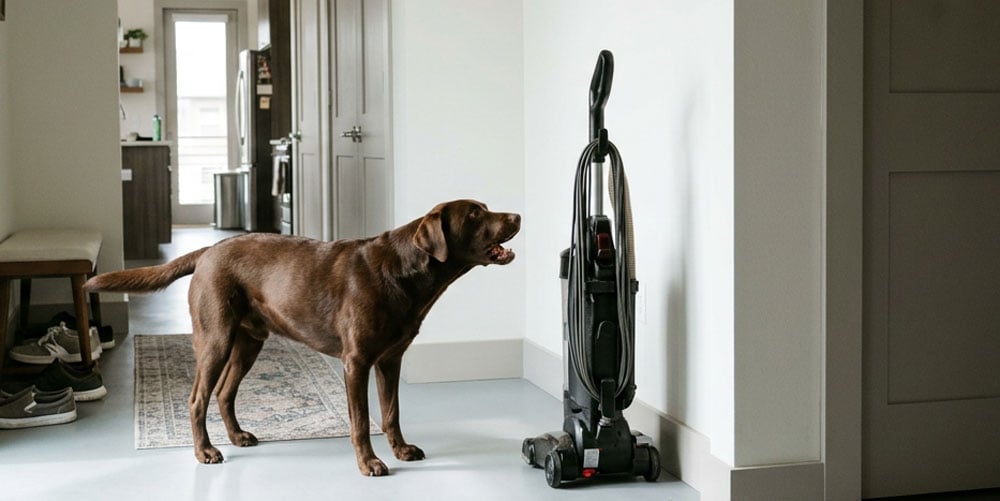
Does your dog sound like a professional security guard whenever someone approaches the house?
Then, five minutes later, they're happily accepting attention from the same person?
There's a reason this happens.
Dogs may bark when they notice unfamiliar sounds, movement or people approaching their home.
For some, barking is an alert response. For others, it may reflect uncertainty, fear, frustration or excitement.
The important thing is to look at what happens next.
Does your dog relax when the visitor sits down? Can they move away comfortably? Are they still tense and watching every movement?
What helps?
- Keep your dog's greeting area away from the busiest doorway.
- Use a secure baby gate or separate room if needed.
- Reward your dog for calm behavior at a comfortable distance.
- Avoid yelling over the barking, which may add more excitement.
- Practice visitor-related training outside of actual gatherings.
For dogs that repeatedly bark, lunge or appear frightened around visitors, a qualified reward-based behavior professional can help identify the cause and develop an appropriate plan.
3. Your Usually Friendly Dog Suddenly Hides
Here's something many owners misunderstand.
A dog that hides when guests arrive isn't necessarily being antisocial or stubborn.
They may simply be uncomfortable.
Some dogs are naturally cautious around unfamiliar people. Others become overwhelmed by loud conversations, unpredictable movements or too much attention.
During Christmas, the combination of extra visitors, decorations, music and changes in routine can make this even more noticeable.
Your dog might:
- Retreat to another room.
- Hide behind furniture.
- Stay close to you.
- Avoid eye contact with guests.
- Refuse treats they would normally enjoy.
- Become unusually quiet or still.
What helps?
Let them have space.
Provide a quiet, comfortable area with their familiar bedding, fresh water and somewhere to rest undisturbed.
Tell guests not to follow, corner or coax your dog out of hiding.
If your dog chooses to come closer, allow them to approach voluntarily.
And if they decide they'd rather spend Christmas afternoon asleep in the bedroom?
That's perfectly fine.
4. Your Dog Suddenly Becomes Clingy
Some dogs respond to visitors by becoming unusually attached to their owners.
They follow you from room to room, lean against your legs or repeatedly try to sit beside you.
It's easy to assume they're jealous because someone else is getting your attention.
But that isn't necessarily what's happening.
Your presence may be familiar and reassuring in a situation that feels unpredictable.
For some dogs, staying close to their trusted person is a way of coping with uncertainty.
What helps?
- Allow your dog to stay near you if they're comfortable and safe.
- Offer a quiet resting spot nearby.
- Keep feeding, walking and rest routines as consistent as possible.
- Avoid forcing them to interact with visitors.
You don't need to ignore a worried dog to prevent them from becoming more anxious.
Calm reassurance and giving them a choice about where to rest can help them feel more secure.
5. Your Dog Growls at Someone They've Met Before
This one can be particularly confusing.
Your dog has met your cousin several times. They've even played together before.
So why are they suddenly growling when that same person approaches?
Dogs don't respond to people based only on whether they've met them previously.
Context matters.
Someone leaning over a dog, reaching toward their face, approaching their resting place or trying to take something they're holding may create discomfort.
Dogs can also react differently when they're tired, in pain or already overwhelmed.
Growling is a warning signal, not something you should punish.
It often communicates that a dog wants more distance or feels uncomfortable with what's happening.
Suppressing the warning without addressing the underlying problem can increase risk.
What helps?
- Immediately create more space between your dog and the visitor.
- Ask guests not to touch, lean over or approach your dog.
- Keep children from interacting with a dog that is growling or showing discomfort.
- Never punish growling or force a greeting.
- Seek veterinary advice if the behavior is new or unusual.
If your dog has snapped, bitten or repeatedly threatened visitors, use secure separation and seek professional behavior support rather than attempting to manage close interactions yourself.
How Can You Tell If Your Dog Is Excited or Stressed?
Here's where understanding your dog's body language becomes especially useful.
Many owners focus on one obvious sign, such as tail wagging.
But a wagging tail doesn't automatically mean a dog is happy.
Dogs communicate through their entire body, and individual signals need to be interpreted together and in context.
Signs your dog may be comfortable include:
- A loose, relaxed body.
- Soft facial expression.
- Natural, easy movements.
- Voluntarily approaching and moving away.
- Being able to settle or rest.
Signs your dog may be uncomfortable include:
- A stiff or frozen body.
- Repeated lip licking or yawning outside their usual context.
- Turning their head or body away.
- Showing the whites of their eyes.
- Tucking their tail.
- Pacing, trembling or hiding.
- Growling, snapping or attempting to escape.
Not every yawn means stress, and not every bark means fear.
The key is noticing changes in your dog's usual behavior and how they respond to the situation around them.
The Biggest Mistake Guests Make Around Dogs
Imagine you're nervous about meeting someone new.
Then that person immediately walks toward you, bends over your head, reaches for your face and insists on hugging you.
Not exactly the most comfortable introduction.
Yet that's how some people naturally greet dogs.
Many dogs dislike being crowded, hugged or touched by unfamiliar people, particularly when they have no opportunity to move away.
Children may also move quickly, make sudden noises or struggle to recognize warning signs.
The best approach is often to let your dog decide whether they want to interact.
Ask guests to:
- Avoid reaching directly toward your dog's face.
- Let the dog approach voluntarily.
- Keep greetings calm and brief.
- Stop petting if the dog moves away or appears uncomfortable.
- Never disturb a dog that's eating, sleeping or resting in a designated safe space.
Always actively supervise interactions between dogs and children. If you cannot supervise closely, separate them safely.
Can Calming Products Help When Guests Visit?
For some dogs, changes in routine and unfamiliar visitors can be genuinely stressful.
Alongside appropriate training, environmental management and predictable routines, certain products may provide additional support.
VetShopMax offers a range of dog stress and anxiety support products, including calming supplements and other options.
For example, Purina Pro Plan Veterinary Supplements Calming Care for Dogs is designed to support dogs experiencing stress-related behaviors.
Another option is Zylkene Anxiety & Behaviour Chews, which are marketed to support pets during stressful situations and changes in routine.
However, calming products aren't an instant fix for fear, and responses vary between dogs.
Some require advance use, and supplements should be selected with veterinary guidance, particularly if your dog has a medical condition or takes medication.
For dogs showing significant fear, aggression or panic around visitors, professional assessment and behavior modification are more important than relying on supplements alone.
How to Prepare Your Dog Before Christmas Guests Arrive
If you're hosting a Christmas gathering this year, a little preparation can make the day much easier for your dog.
Before guests arrive:
- Take your dog for an appropriate walk or give them an opportunity to sniff and explore.
- Prepare a quiet resting space away from the main gathering area.
- Set up any gates or barriers you'll need.
- Make sure your dog has fresh water and access to their usual resting area.
- Have familiar toys or suitable food-based enrichment ready.
A food-dispensing toy such as the KONG Wobbler Dog Toy may provide a useful activity for dogs that enjoy working for their food, provided they're comfortable using it and can do so safely away from guests.
When guests arrive:
- Ask everyone to enter calmly.
- Keep your dog behind a secure barrier if greetings are overwhelming.
- Let your dog approach only if they're relaxed and willing.
- Reward calm behavior rather than forcing interactions.
- Give your dog regular opportunities to retreat.
During the gathering:
- Watch for signs of stress or overstimulation.
- Keep Christmas food, chocolate and alcohol out of reach.
- Remind guests not to feed your dog without permission.
- Ensure doors and gates are secure when people come and go.
- Allow your dog to rest somewhere quiet whenever they choose.
And remember, not every dog needs to be part of the party.
Some will love meeting everyone. Others will be much happier enjoying a peaceful afternoon away from the noise.
When Should You Be Concerned About a Sudden Behavior Change?
Occasional excitement or nervousness around visitors can be normal.
But a sudden or significant change in your dog's behavior deserves attention.
For example, a dog that has always enjoyed visitors but suddenly becomes defensive, withdrawn or unusually reactive may be experiencing pain, illness or another underlying issue.
Contact your veterinarian if you notice:
- New growling, snapping or aggression.
- Sudden fear of familiar people.
- Unusual withdrawal or lethargy.
- Changes in appetite or mobility.
- Persistent anxiety that doesn't improve when guests leave.
Don't assume every behavior problem is simply a training issue.
Understanding the cause is the first step toward helping your dog feel better.
Summary
So, why does your dog act so differently when guests come over?
Because visitors can completely change the sights, sounds, smells and routines your dog is used to.
Some dogs respond with excitement. Others become nervous, clingy, vocal or withdrawn.
The most important thing isn't making your dog greet everyone perfectly. It's understanding how they're feeling and giving them the support they need.
With a little preparation, calm introductions and the freedom to take breaks, holiday gatherings can become more comfortable for your dog and your guests.
And if your dog decides that sleeping through Christmas dinner is more appealing than entertaining the relatives?
Honestly, they might be onto something.