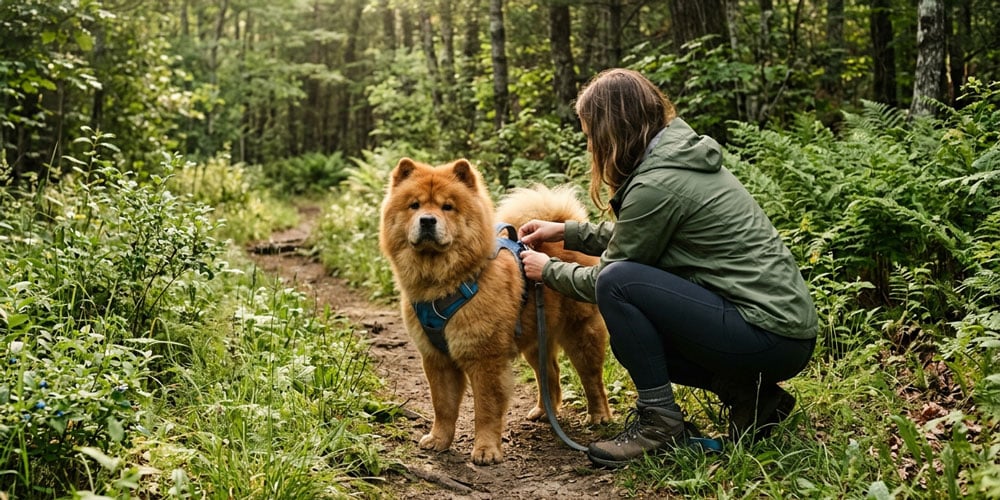
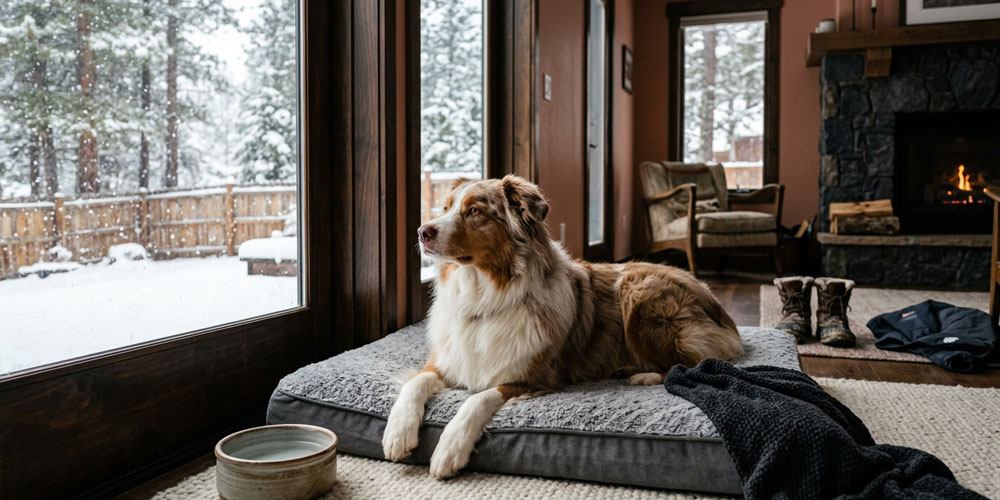
Winter has arrived. The heating is on, the sidewalks are icy, and your pet has probably claimed the coziest spot in the house.
But while you're reaching for another sweater, have you thought about how the colder weather is affecting your dog or cat?
Most pet owners know that animals need protection from extreme cold. What often gets overlooked are the smaller, everyday habits that can cause problems throughout winter.
From skipping paw checks to forgetting about parasites, some of the most common winter pet care mistakes happen without owners even realizing it.
Here are nine worth checking before temperatures drop any further.
1. Assuming Your Pet's Fur Is Enough to Keep Them Warm
Your dog has a thick coat, so they must be fine outside in the cold. Right?
Not necessarily.
Although fur provides insulation, it doesn't make an animal immune to cold temperatures.
Small dogs, short-haired breeds, puppies, senior pets and animals with certain health conditions may struggle to maintain their body temperature in cold weather.
Even dogs with thick coats can become dangerously cold when exposed to freezing temperatures, strong winds or wet conditions for too long.
What to do instead:
- Adjust outdoor time according to the weather and your pet's individual tolerance.
- Consider a properly fitted winter coat for dogs that need extra insulation.
- Bring pets indoors during extreme cold.
- Provide a warm, dry place to rest away from drafts.
- Watch for shivering, weakness, reluctance to walk or unusual lethargy.
Remember, cats need protection too. Outdoor cats should have access to safe, warm shelter, and indoor living is the safest option during severe winter weather.
2. Forgetting to Clean Their Paws After Winter Walks
Your dog comes home from a walk, shakes off the cold and heads straight for their favorite spot on the couch.
Seems harmless enough.
But what might they have brought inside on their paws?
During winter, sidewalks, roads and driveways may be treated with de-icing salts and chemical products.
These substances can irritate paw pads, and some may cause problems if your dog licks them off afterward.
Snow and ice can also collect between the toes, especially in dogs with longer fur around their paws.
What to do instead:
- Wipe your dog's paws with a damp cloth after walks.
- Check between the toes for ice, debris and irritation.
- Dry the paws thoroughly afterward.
- Consider appropriately fitted protective boots if your dog tolerates them.
- Choose pet-safer de-icing products where possible, while remembering that no product should be considered completely harmless if swallowed.
If you notice persistent redness, cracking, limping or excessive paw licking, contact your veterinarian.
3. Thinking Your Pet Doesn't Need as Much Water in Winter
When it's hot outside, keeping your pet hydrated is probably something you think about regularly.
But during winter?
It's easy to forget.
Pets still need consistent access to fresh drinking water, even when temperatures are low.
Indoor heating can contribute to dry conditions, while outdoor water bowls may freeze in colder regions.
And although some pets drink less during cooler weather, that doesn't mean dehydration is impossible.
What to do instead:
- Provide clean, fresh water throughout the day.
- Check outdoor water bowls regularly to make sure they haven't frozen.
- Wash food and water bowls routinely.
- Monitor unusual changes in drinking habits.
- Speak with your veterinarian if your pet suddenly drinks much more or less than usual.
For cats that prefer running water, a suitable pet drinking fountain may encourage drinking, but it still needs regular cleaning and maintenance.
4. Stopping Flea, Tick or Heartworm Prevention Because It's Cold
This is one of the most important winter mistakes to avoid.
When temperatures drop, it's tempting to assume parasites are no longer a concern.
But cold weather doesn't automatically mean parasite risk disappears.
Fleas can survive and reproduce in heated indoor environments, and some ticks remain active during milder winter conditions.
Heartworm prevention may also need to continue year-round, depending on your veterinarian's recommendations and your pet's circumstances.
Risk varies by location, climate and lifestyle, so the best approach isn't to make assumptions based on the season.
Instead, review your pet's existing dog flea and tick prevention options or cat flea and tick prevention options and confirm that the protection you're using matches their needs.
Products such as Frontline Plus provide flea and tick protection, but they do not replace heartworm prevention. Different preventatives cover different parasites.
What to do instead:
- Follow your veterinarian's recommended prevention schedule.
- Check which parasites your current product covers.
- Avoid missing doses or restarting treatment without appropriate guidance.
- Continue checking your pet for ticks after relevant outdoor exposure.
Never use a dog-only parasite product on a cat. Some ingredients used in dog treatments can be highly toxic to cats.
5. Bathing Your Dog Without Thinking About Winter Skin
Winter can be tough on your pet's skin.
Cold outdoor conditions combined with dry indoor air may contribute to skin dryness in some animals.
And while regular grooming remains important, bathing too frequently or using unsuitable products can make skin irritation worse.
Human shampoo isn't a good substitute for a properly formulated pet shampoo.
What to do instead:
- Bathe your dog when needed rather than following an unnecessarily frequent schedule.
- Use a suitable dog shampoo, particularly if they have sensitive skin.
- Rinse thoroughly and dry their coat completely before exposing them to cold weather.
- Continue brushing to prevent tangles and matting.
- Ask your veterinarian about persistent itching, flaking or redness.
Explore the dog shampoo and conditioner range for grooming products suited to different coat and skin needs.
For dogs with dry or flaky skin, Dermoscent Essential 6 for Large Dogs is a topical skin and coat care option. Always check the product's size suitability and directions, and investigate ongoing skin problems with your veterinarian.
6. Letting Your Pet Sleep Too Close to a Heater
Have you ever found your cat curled up directly beside a heater or your dog sleeping as close to the fireplace as physically possible?
Pets love warm places, but some heating sources can create burn and fire hazards.
Space heaters, fireplaces, heating pads and electric blankets all require care around animals.
Pets may not immediately move away from a heat source that's becoming too hot, particularly if they are elderly, unwell or have reduced mobility.
What to do instead:
- Keep pets a safe distance from fireplaces and portable heaters.
- Use secure fireguards where appropriate.
- Avoid leaving pets unattended with portable heating equipment.
- Provide a warm bed away from direct heat.
- Use only pet-specific heated bedding according to its safety instructions.
A comfortable resting area should be warm without creating a risk of overheating or burns.
7. Overlooking Antifreeze in the Garage or Driveway
Here's a winter danger that deserves serious attention.
Some automotive antifreeze products contain ethylene glycol, a chemical that can cause life-threatening poisoning in dogs and cats.
Even relatively small amounts can be dangerous.
Antifreeze may be encountered through spills, leaking vehicles or improperly stored containers.
What to do instead:
- Store antifreeze and automotive chemicals in secure locations.
- Clean spills immediately and thoroughly.
- Check for leaks around parked vehicles.
- Keep pets away from garages and driveways where chemicals are being handled.
If you suspect your pet has swallowed antifreeze, seek emergency veterinary care immediately, even if they appear normal.
Early treatment is critical. Do not wait for symptoms to develop.
8. Assuming Your Pet Needs More Food Just Because It's Winter
It's a common assumption: colder weather means your pet needs extra calories to stay warm.
But for many indoor pets, that's not necessarily true.
A dog spending most of the day in a heated home may actually exercise less during winter.
Meanwhile, an outdoor working dog regularly exposed to cold conditions may have higher energy requirements.
What to do instead:
- Monitor your pet's weight and body condition.
- Adjust feeding based on activity level, health and veterinary advice.
- Measure meals rather than guessing portion sizes.
- Account for treats and food-based enrichment in their daily calories.
Don't automatically increase food portions just because the temperature drops.
9. Skipping Exercise Because the Weather Isn't Perfect
When it's freezing outside, spending another hour on the couch can sound much more appealing than going for a walk.
And sometimes, staying indoors really is the safer choice.
But pets still benefit from appropriate activity and mental stimulation throughout winter.
Without enough opportunities to move, explore and play, some dogs may become restless or frustrated.
What to do instead:
- Choose shorter, weather-appropriate walks when conditions are safe.
- Try indoor scent games using part of your dog's normal food allowance.
- Practice short reward-based training sessions.
- Rotate familiar toys to create variety.
- Offer appropriate play and enrichment for indoor cats.
During dangerous cold, ice storms or severe weather, prioritize indoor activities over outdoor exercise.
A Quick Winter Pet Care Checklist
Before the next cold snap, take five minutes to check the following:
- Does your pet have a warm, dry sleeping area?
- Are their paws being checked after winter walks?
- Is fresh drinking water always available?
- Are their parasite prevention treatments up to date?
- Is their skin and coat in good condition?
- Are heaters and fireplaces safely managed?
- Are antifreeze and household chemicals securely stored?
- Are food portions appropriate for their current activity level?
- Do they have enough safe exercise and mental stimulation?
Small changes to your daily routine can make winter safer and more comfortable for your pet.
Summary
Winter pet care involves more than keeping your dog or cat warm.
From hidden chemicals on sidewalks to dry skin, missed parasite prevention and unsafe heating equipment, some of the biggest seasonal risks come from everyday habits that are easy to overlook.
The good news? Many of these mistakes are simple to prevent once you know what to look for.
Check your pet's paws, maintain their regular care routine, keep hazardous chemicals out of reach and adjust their activities to suit the weather.
Because a little extra attention during winter can make a big difference to their comfort, safety and well-being.