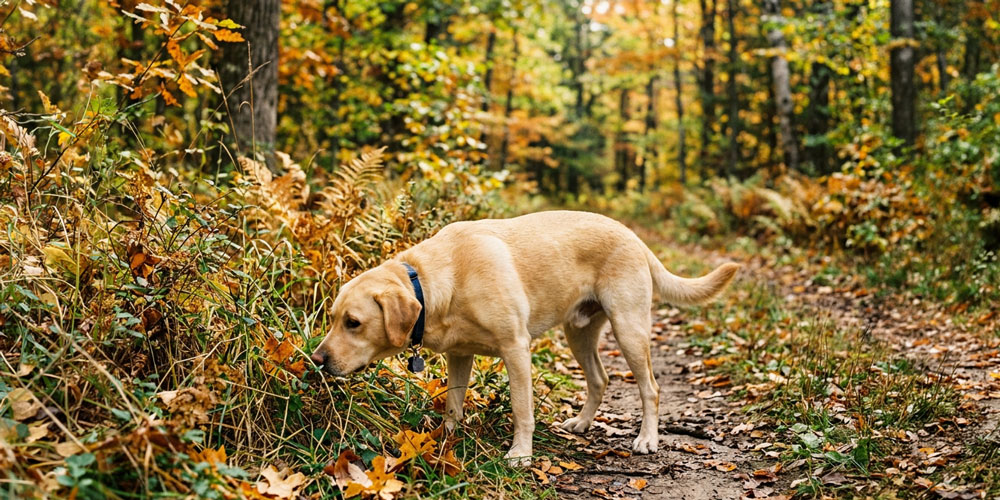

You part your dog's fur. Check their belly. Look behind their ears.
Nothing.
No fleas. No ticks. No obvious sign that anything is crawling around where it shouldn't be.
So your pet must be parasite-free... right?
Not necessarily.
Parasites are very good at going unnoticed. A tick can attach somewhere you rarely look, fleas can disappear into thick fur, and some of the biggest clues that fleas are around might not actually be sitting on your pet.
In fact, there's one place pet owners often forget to check completely.
Their home.
Wait... Shouldn't You Be Checking Your Pet?
Absolutely.
Regularly checking your dog or cat can help you spot fleas, ticks, skin irritation and other changes that deserve attention.
But there's a problem with assuming that no visible parasites means no parasite problem.
Take fleas.
Adult fleas live and feed on animals, but a flea infestation doesn't stay neatly contained in your pet's coat. Flea eggs can fall from the animal into the surrounding environment, where immature stages can develop in places your pet spends time.
That means the problem you're looking for on your Labrador could also involve the carpet underneath them.
Where in Your Home Should You Look?
Start by thinking like your pet.
Where do they spend the most time?
The dog bed they sleep in every night. The rug where they nap in the afternoon. The couch. Your bed. Carpeted areas. Their crate. The spots underneath furniture where your cat likes to disappear for hours.
These areas deserve attention if you're dealing with or suspecting fleas.
Washable pet bedding should be cleaned regularly, and vacuuming carpets, rugs, upholstered furniture and areas around pet resting spots can help remove flea eggs and developing stages from the environment.
Don't forget the less obvious places either, including:
- Underneath couch cushions
- Along carpet edges and baseboards
- Underneath pet beds
- Cracks and gaps in flooring
- Inside crates and carriers
- Areas underneath furniture
- Your car if your pet travels with you regularly
Suddenly, checking your pet's back doesn't feel quite as thorough.
What Are Those Tiny Black Specks?
You might never catch a flea dramatically crawling across your dog's stomach.
Instead, you might find what looks like tiny pieces of black dirt in their coat or bedding.
This can be flea dirt, which is flea feces containing digested blood.
One way flea dirt is commonly distinguished from ordinary dirt is by placing some of the specks onto a damp white paper towel. Because flea dirt contains blood, it may dissolve into reddish-brown marks when wet.
If you're finding suspected flea dirt, excessive scratching or other signs of fleas, don't assume the problem ends with removing the adult fleas you can see.
Effective flea control may need to address both the pet and the environment.
Where Do Fleas Hide on Your Pet?
Of course, you still need to check the animal.
Running your hand over the top of your pet's coat isn't enough.
Use your fingers or a flea comb to part the fur and look down toward the skin, particularly around areas fleas may be easier to miss.
Pay attention around the:
- Base of the tail
- Lower back
- Belly
- Groin
- Neck
- Under the legs
You're not only looking for moving fleas.
Look for flea dirt, redness, irritated skin, hair loss and evidence that your pet has been scratching, biting or licking themselves more than usual.
What About Ticks?
Ticks present a different challenge.
They're not necessarily going to attach somewhere convenient and obvious.
After your pet has spent time outdoors, particularly in wooded, grassy or brushy areas, checking their entire body can help you find attached ticks sooner.
Use your fingertips to slowly feel over the skin for small bumps rather than relying only on your eyes.
Pay particular attention around:
- Inside and around the ears
- Around the eyelids and face
- Under the collar
- Under the front legs
- Between the toes
- Around the groin
- Under and around the tail
Between the toes is particularly easy to forget.
If your dog has just spent the afternoon running through long grass or hiking, don't stop the check at their back and belly. Get down to paw level too.
Could a Tiny Bump Actually Be a Tick?
Sometimes an attached tick doesn't immediately look like the creature you're expecting.
Depending on its size and how long it has been feeding, it may initially feel like a small bump or lump beneath your fingers.
If you find something suspicious, take a closer look before assuming it's a skin tag, scab or harmless bump.
If it is a tick, it should be removed promptly and correctly. If you're unsure how to remove it, can't remove the entire tick, or your pet develops concerning symptoms, contact your veterinarian.
Does an Indoor Cat Really Need Checking?
Here's another assumption worth questioning.
"My cat doesn't go outside, so how would they get fleas?"
Your cat may stay indoors, but your house doesn't exist inside a sealed bubble.
Fleas can potentially be introduced into a home by other animals or hitch a ride indoors. Dogs that go outside can also bring parasites into a multi-pet household.
That's why parasite risk should be considered based on the entire household and your pet's individual circumstances, rather than assuming an indoor lifestyle automatically means zero risk.
For cats requiring broad parasite protection, options such as Revolution Plus protect against fleas and ticks as well as heartworm, ear mites and certain intestinal worms. Always choose the correct product and dose for your cat's age and weight and follow the label directions.
What If Your Pet Isn't Scratching?
No scratching doesn't automatically mean no fleas.
Pets can respond differently to parasites, and the signs aren't always dramatic.
Some animals may scratch noticeably. Others may groom or bite at their coat more often, develop irritated skin or show relatively subtle changes.
That's why waiting for your pet to become obviously itchy isn't the best parasite detection strategy.
And there's an even bigger problem with waiting until you physically see something.
By the Time You Find a Flea, Are You Already Too Late?
This is where prevention becomes much easier than playing detective.
If you're only thinking about flea control after spotting an adult flea, you may already be dealing with other flea life stages in the environment.
Similarly, ticks may transmit disease after attaching and feeding.
The goal of parasite prevention isn't to wait until you can prove your pet has parasites.
It's to reduce the chance of the problem getting that far in the first place.
For dogs, broad-spectrum monthly options such as NexGard Spectra can provide protection against fleas and ticks alongside heartworm and several intestinal worms. The appropriate product depends on your dog's age, weight, health and parasite risks.
Does Prevention Mean You Can Stop Checking?
No.
Think of parasite prevention and physical checks as two different layers of protection.
Using an appropriate preventative doesn't mean you should never look at your pet's skin again.
After hikes, camping trips, walks through long grass or time in tick-prone environments, checking your dog is still a good habit.
Likewise, noticing flea dirt or unusual scratching can alert you to a possible problem that needs investigating.
But don't make the opposite mistake either.
Manually checking your pet is not a replacement for appropriate parasite prevention.
Some parasites are incredibly difficult to detect yourself, and others, including heartworm and intestinal worms, aren't something you'll necessarily discover by searching through your pet's coat.
What Should You Check Tonight?
You don't need to turn your house upside down.
Instead, take five minutes and do a quick parasite check.
Part your pet's fur and look at their skin. Feel around the easy-to-miss areas. Look between your dog's toes. Check around the ears, neck and tail.
Then look beyond your pet.
Check their bedding. Look at their favorite sleeping spots. Pay attention to suspicious black specks. Think about when their parasite prevention was last given and whether it's still current.
And if you have multiple pets, remember that parasite control is a household issue. One unprotected animal can make managing fleas much more difficult for everyone.
Summary
The place most owners forget to check for parasites isn't hidden somewhere underneath their pet's fur.
It's the environment around them.
Your pet's bedding, carpet, couch and favorite resting areas can all become important parts of the picture when fleas are involved.
And when you do check your pet, don't stop at the obvious places. Look around the tail, ears, legs, belly and even between the toes.
Most importantly, don't wait until you find something crawling before thinking about protection.
The best parasite is the one that never gets the chance to make itself at home.