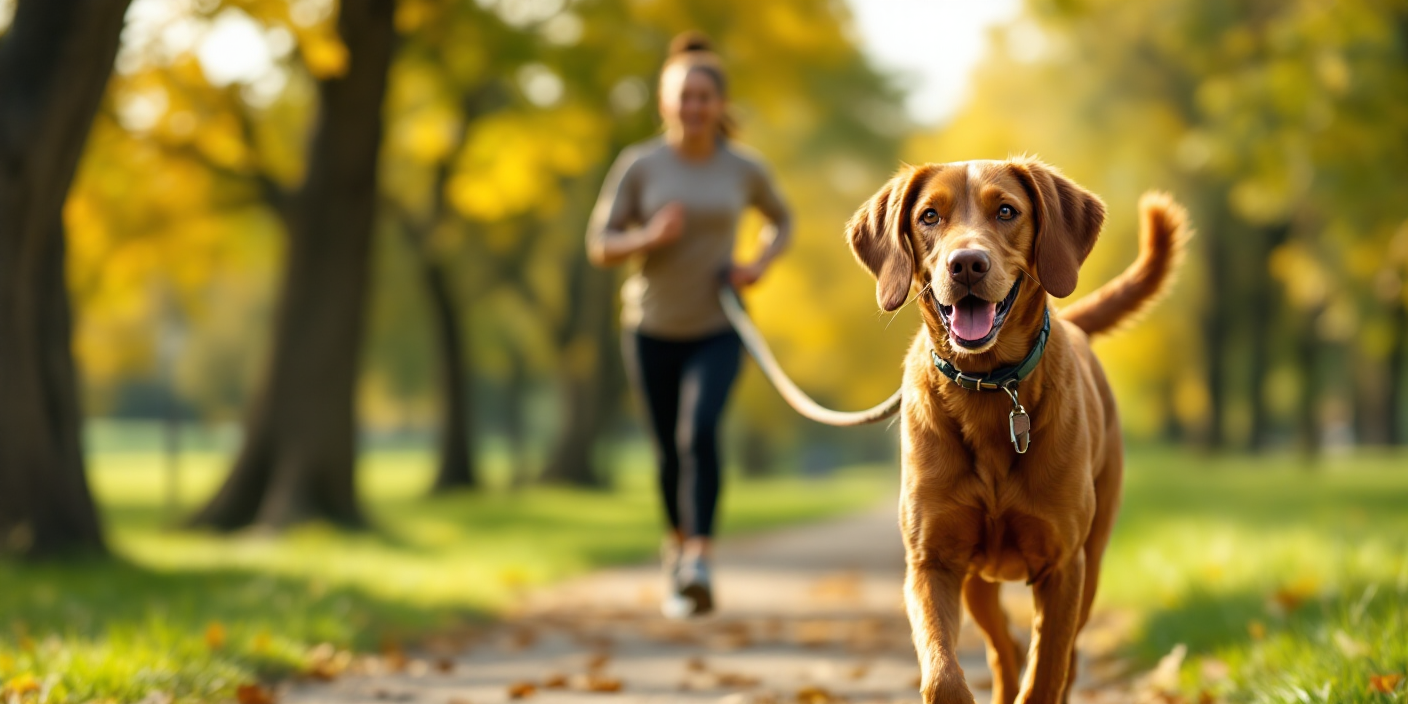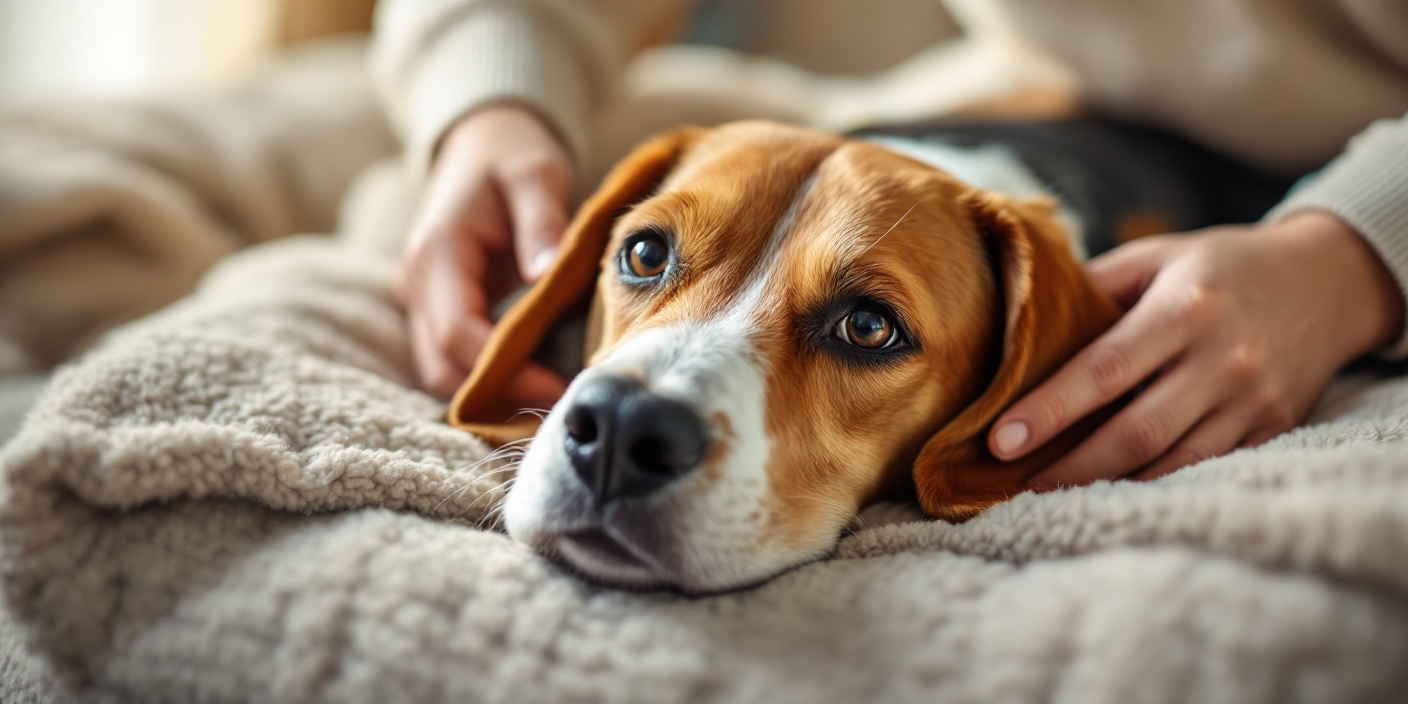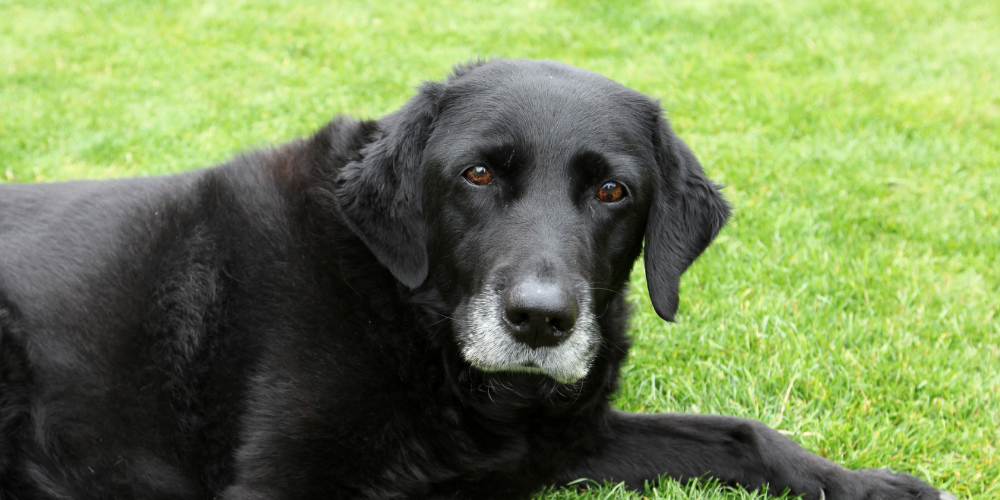
They're sleeping a little longer. Taking their time on the stairs. Maybe they're not quite as excited about that evening walk anymore.
It's easy to look at these changes and think, "They're just getting old."
And sometimes, that's exactly what's happening.
But dogs and cats can't tell us when something hurts or doesn't feel right, and they're often surprisingly good at adapting to discomfort. That means changes we put down to "old age" can occasionally be signs that our pets need a little extra attention.
So, what's a normal part of getting older, and what's worth taking a closer look at?
1. They're Slowing Down on Walks
It's completely normal for many senior dogs to have less stamina than they did in their younger years. Your once unstoppable hiking buddy might be perfectly happy with shorter, slower adventures.
But pay attention to how they're slowing down.
Are they simply getting tired sooner, or are they:
- Walking stiffly?
- Falling behind unusually quickly?
- Stopping or refusing to continue?
- Limping?
- Having difficulty getting up afterward?
Changes in mobility can be associated with joint discomfort and other health issues, so a noticeable or persistent change is worth discussing with your veterinarian.
Don't automatically assume that struggling to move is simply something an older pet has to live with.
2. They're Sleeping More Than They Used To
Senior pets often enjoy a good nap. Or five.
As pets age and their activity levels decrease, you may notice them spending more time asleep or resting.
What's more important is whether their sleeping habits have suddenly changed.
If your normally social pet begins sleeping much more than usual, becomes difficult to wake, seems unusually tired while awake, or loses interest in activities they previously enjoyed, there may be more going on than simply getting older.
Sudden changes deserve more attention than gradual ones.
3. They're Hesitating Before Jumping Up
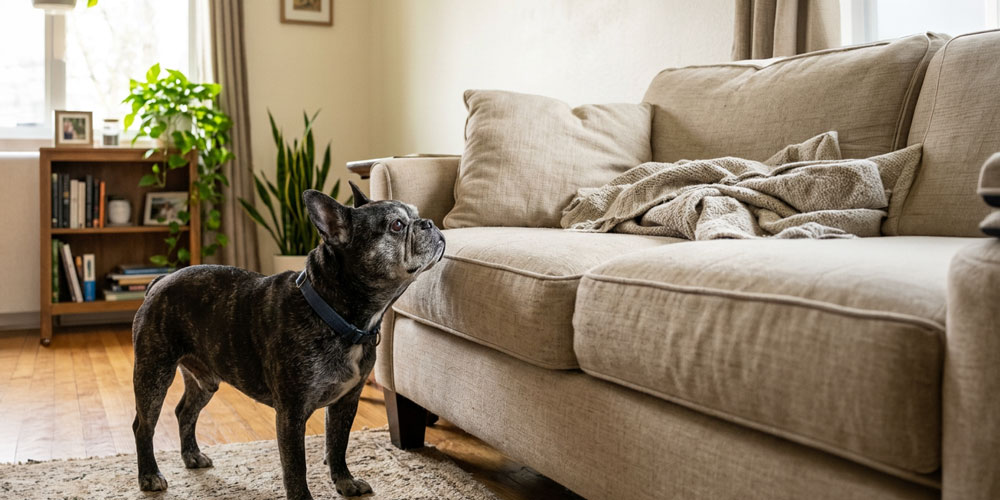
Your dog stands beside the couch, looks up, thinks about it... and decides against it.
Your cat suddenly stops jumping onto their favorite windowsill.
It's a small change that's incredibly easy to miss.
Pets experiencing stiffness or discomfort may begin avoiding movements that were previously effortless. You might notice hesitation before jumping, difficulty climbing stairs, taking longer to stand after sleeping, or choosing lower places to rest.
Making their environment easier to navigate can help. Consider supportive bedding, rugs on slippery floors, ramps, steps, or moving important resources somewhere easier to reach.
Depending on your pet's individual needs, your veterinarian may also recommend specific approaches for supporting joint health and mobility.
4. Their Eating Habits Have Changed
A pet suddenly becoming picky isn't necessarily them developing sophisticated taste in their senior years.
Changes in appetite can happen for many reasons.
Dental discomfort, digestive problems, changes in smell or taste, medication, pain, and underlying illness can all affect how interested a pet is in food.
Watch for changes such as:
- Eating significantly less than usual
- Dropping food while eating
- Chewing differently or only on one side
- Suddenly preferring softer foods
- Unexplained weight loss
- A noticeable increase in appetite
Significant or persistent changes in appetite or weight should be discussed with your veterinarian.
5. Their Breath Has Become... Hard to Ignore
Bad breath isn't automatically part of getting older.
Dental disease becomes increasingly common as pets age, and because many animals continue eating despite oral discomfort, dental problems can be easy to overlook.
Alongside persistent bad breath, watch for red or swollen gums, visible tartar, excessive drooling, difficulty chewing, pawing at the mouth, or dropping food.
Regular dental checks and an appropriate home dental care routine can help support your pet's oral health as they get older.
6. They're Having More "Accidents"
If a previously house-trained dog suddenly begins having accidents indoors, or your cat starts eliminating outside their litter box, don't immediately assume they're becoming forgetful or difficult.
Older pets can experience changes that make getting to their usual bathroom spot harder. Mobility issues, urinary problems, digestive changes, increased thirst, and cognitive changes are just some possibilities.
For cats, something as simple as a litter box with high sides can become difficult to access if they're experiencing stiffness.
A new bathroom habit is information, not bad behavior.
7. They're Acting Differently
You know your pet's personality better than anyone.
That's why subtle behavioral changes matter.
A senior pet may become more vocal, restless at night, unusually clingy, withdrawn, confused, irritable, or less interested in interacting with the family.
Some behavioral changes can occur as pets age, including changes associated with cognitive decline. But behavior can also change when an animal is uncomfortable or unwell.
If you find yourself saying, "They just haven't seemed like themselves lately," pay attention to that instinct.
8. They're Drinking Much More Water
This is an especially important change to notice.
You might find yourself refilling the water bowl more frequently, notice your cat visiting it more often, or see your dog asking to go outside more than usual.
Increased thirst and urination can be associated with several health conditions and shouldn't simply be dismissed as a normal part of aging.
If the change is noticeable or persistent, speak with your veterinarian.
So, What Changes Are Normal?
There's no single definition of "normal" aging because every pet is different.
A healthy senior pet may gradually become less energetic, sleep more, prefer shorter walks, or need a little more recovery time after activity.
The key word is gradually.
Sudden, significant, or persistent changes deserve attention, particularly when several changes appear together.
Regular veterinary checkups become increasingly valuable as pets get older because they provide an opportunity to identify changes you may not be able to see at home.
Small Changes Can Make Senior Life Easier
Getting older doesn't mean your pet has to stop enjoying the things they love.
A few adjustments around the home can make everyday life much more comfortable:
- Provide a supportive, comfortable bed.
- Add rugs or mats to slippery flooring.
- Use ramps or pet steps where appropriate.
- Keep food and water easily accessible.
- Choose shorter, gentler exercise sessions if needed.
- Continue providing enrichment and mental stimulation.
- Maintain appropriate dental and parasite prevention routines.
- Discuss targeted joint, skin, digestive, or other support with your veterinarian when appropriate.
Most importantly, pay attention to what's normal for your pet.
Summary
Yes, your dog or cat will change as they get older. They'll probably sleep more, slow down a little, and may need some adjustments to their routine.
But age shouldn't automatically explain every change.
If your pet suddenly starts struggling with activities they once enjoyed, changes their eating or drinking habits, develops new bathroom behaviors, or simply doesn't seem like themselves, it's worth taking a closer look.
Sometimes they're getting older. Sometimes they're trying to tell you something.