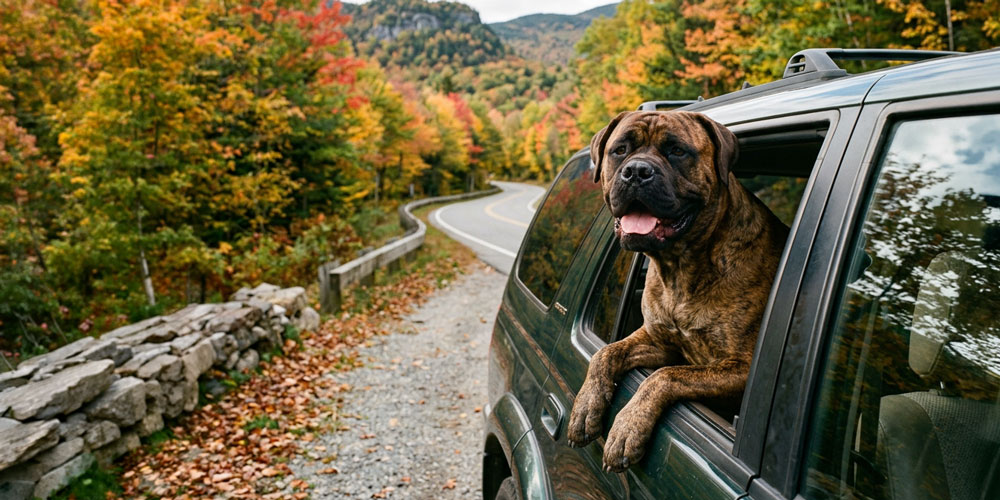
Cooler weather, colorful leaves, open roads, and your dog riding shotgun. Fall might just be one of the best times of year for a road trip.
But traveling with a dog takes a little more planning than throwing a bag in the car and choosing a destination.
From finding pet-friendly stops to packing the things you'll inevitably wish you'd brought, a little preparation can make the difference between a relaxing fall getaway and several hours wondering why you thought bringing the dog was a good idea.
Before you hit the road, here's how to make your next adventure safer, easier, and much more enjoyable for both of you.
1. Is Your Dog Actually Ready for a Road Trip?
Some dogs hear the word "car" and are waiting at the door before you've even found the keys.
Others would strongly prefer to stay home.
Before planning a long drive, consider how comfortable your dog is in the car. If they're not used to longer journeys, start with shorter trips and gradually increase the time they spend traveling.
Watch for signs of stress or motion sickness, including excessive panting, drooling, whining, restlessness, vomiting, or reluctance to get into the car.
If car travel consistently makes your dog anxious or sick, speak with your veterinarian before attempting a longer trip.
2. Pack a Dog Bag, Not Just Your Own
You don't want to be 100 miles from home before realizing your dog's leash is still hanging beside the front door.
Pack their essentials separately so everything is easy to find when you stop.
Your dog's road trip bag should include:
- Enough food for the entire trip, plus a little extra
- Fresh drinking water
- Portable food and water bowls
- Regular medications
- Parasite prevention
- Leash, collar, and harness
- Waste bags
- A favorite blanket or bed
- A few familiar toys
- Treats or chews
- Basic pet first aid supplies
- A towel for muddy fall adventures
Bringing familiar items can also help your dog settle more easily when you're staying somewhere new.
3. Make Sure Their ID Is Up to Date
This takes two minutes to check and could be incredibly important if your dog becomes lost somewhere unfamiliar.
Before leaving home, make sure the phone number on their ID tag is current and their microchip information is up to date.
It's also worth keeping a recent photo of your dog on your phone. You'll probably already have several hundred to choose from.
4. Keep Them Secure While You're Driving
As cute as a dog with their head out the window might look, roaming freely around a moving vehicle isn't the safest way to travel.
Depending on your dog's size and your vehicle, consider a secured travel crate or an appropriate car restraint designed for dogs.
Keeping your dog safely restrained can reduce distractions for the driver and provide additional protection if you suddenly need to stop.
And while your dog might disagree, your lap is not a designated passenger seat.
5. Plan Stops Around Your Dog, Too
You might happily drive for several hours without stopping. Your dog may have other ideas.
Plan regular breaks where your dog can:
- Drink fresh water
- Use the bathroom
- Stretch their legs
- Have a short sniff around
- Reset before getting back into the car
Keep your dog leashed during stops, even if they have excellent recall at home. Highway rest areas and unfamiliar places introduce new sounds, smells, animals, and distractions.
6. Check Your Stops Before You Leave
"Pet-friendly" doesn't always mean the same thing everywhere.
Before booking hotels, cabins, campgrounds, or other accommodations, check their current pet policies. Some have size restrictions, additional fees, limits on the number of pets, or rules about leaving dogs unattended.
It's also worth researching dog-friendly parks, trails, restaurants with dog-friendly patios, and rest areas along your route.
Having a rough plan means less time searching from the side of the road with an impatient dog staring at you.
7. Fall Adventures Still Mean Parasites
The temperatures may be dropping, but that doesn't automatically mean fleas and ticks have disappeared.
In many parts of the United States, ticks can remain active during cooler weather. Fall road trips can also mean more time exploring forests, hiking trails, campgrounds, and areas with tall grass.
Make sure your dog's parasite prevention is up to date before traveling, particularly if you're heading somewhere with different parasite risks than you're used to at home.
After hiking or spending time in wooded areas, check your dog for ticks, paying particular attention around their ears, neck, legs, paws, and under their collar.
8. Don't Forget About Changing Weather
Fall weather can change quickly, especially when you're traveling between states or changing elevation.
A sunny afternoon can turn into a surprisingly cold evening.
Check the forecast for your entire route rather than only your destination. Puppies, senior dogs, small breeds, short-haired dogs, and dogs with certain health conditions may be more sensitive to colder temperatures.
A towel, warm blanket, and appropriate dog coat can be useful additions depending on where you're headed.
9. Keep Their Routine Where You Can
Road trips are exciting because they're different from everyday life, but your dog may appreciate having a few things stay predictable.
Try to keep meals around their usual times and give them opportunities to rest throughout the day.
Bringing their regular food is particularly important. A road trip isn't the ideal time to suddenly introduce a completely new diet and discover that your dog's stomach doesn't agree with it.
10. Build a Simple Dog First Aid Kit
You hopefully won't need it, but a small pet first aid kit is worth keeping in the car.
Useful items may include:
- Gauze and bandages
- Antiseptic suitable for pets
- Disposable gloves
- Tweezers or a tick-removal tool
- A towel
- Your veterinarian's contact information
- Contact details for veterinary clinics near your destination
For more serious injuries, poisoning, breathing difficulties, collapse, or other emergencies, seek veterinary care rather than attempting to treat the problem yourself.
11. Never Leave Your Dog Alone in the Car
Fall temperatures may feel comfortable outside, but conditions inside a parked vehicle can be very different.
Don't assume cooler weather automatically makes it safe to leave your dog unattended in the car.
Plan food stops, sightseeing, and other activities around places your dog can safely join you or arrange appropriate care.
12. Let Your Dog Enjoy the Trip
You might be focused on reaching the next scenic overlook. Your dog is probably more interested in the suspiciously fascinating patch of leaves beside the parking lot.
Give them time to sniff, explore, rest, and enjoy being somewhere new.
You don't need to squeeze ten activities into every day. Some of the best parts of traveling with your dog are the simple ones: a new trail, an unexpected stop, or watching them investigate somewhere they've never been before.
Summary
A fall road trip with your dog can be one of the best adventures of the year, especially when you've prepared for more than just the drive.
Pack their essentials, secure them safely in the car, plan regular stops, research pet-friendly destinations, keep parasite protection up to date, and be ready for changing fall weather.
Then roll down the road, find somewhere new to explore, and let your dog turn every five-minute stop into a 20-minute sniffing expedition.