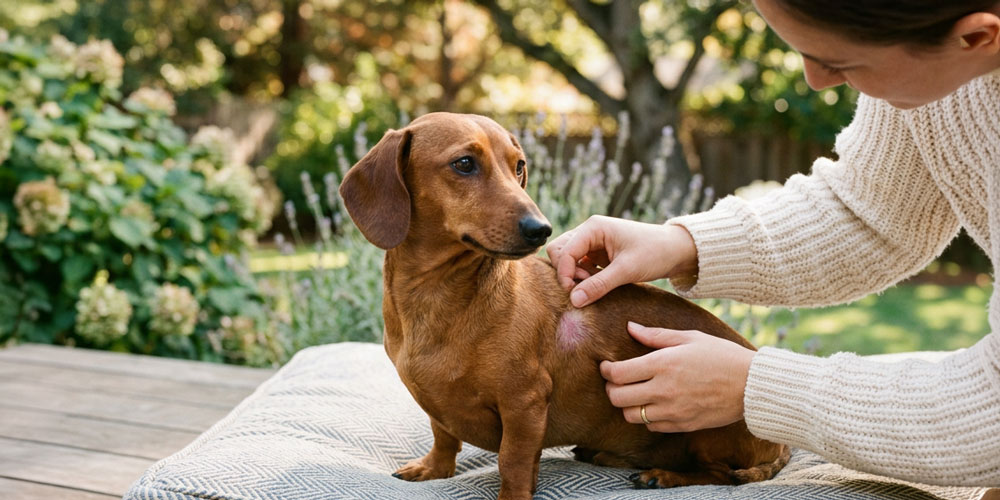

Your dog ate breakfast. Your cat is curled up in their usual spot. Nobody is crying, limping or obviously sick.
So everything must be fine... right?
Not necessarily.
One of the hardest parts of caring for an animal is that they can't point to where it hurts or tell you that something feels different. And the signs they do give us aren't always as obvious as we expect.
Sometimes the first clue isn't vomiting, crying or refusing food. It might be your dog taking an extra second before jumping into the car. Your cat spending more time under the bed. A water bowl that suddenly seems to need refilling more often.
Your pet doesn't need to "look sick" for something to have changed.
Why Can Illness Be So Easy to Miss?
We tend to imagine an unwell pet as one that stops eating, lies around all day or clearly shows that they're in pain.
But discomfort and illness can look much subtler than that.
Animals may continue with familiar routines even when something doesn't feel right, and some changes happen gradually enough that they're easy to adjust to without realizing it.
This can be especially tricky with cats, whose changes in behavior may be particularly subtle.
That's why one of the most useful things you can know isn't every possible symptom of every disease. It's simply what is normal for your pet.
Because when their normal changes, that's information worth noticing.
Would You Notice If They Started Sleeping Somewhere Else?
Imagine your cat has slept on the end of your bed almost every night for years.
Then they start sleeping underneath it instead.
It would be easy to dismiss. Maybe they've found a new favorite spot.
And they might have.
But changes in where a pet rests, particularly if they begin hiding or withdrawing more than usual, can sometimes happen when they aren't feeling well.
The important thing isn't that sleeping under a bed means your cat is sick. It doesn't. It's that an unexplained change from their usual behavior deserves your attention, especially when it continues or appears alongside other changes.
What If They're Still Eating... Just Differently?
This is where things get interesting.
We often use appetite as our unofficial pet health test:
"They're still eating, so they must be okay."
But eating isn't always an all-or-nothing behavior.
A pet with discomfort may still finish dinner while quietly changing how they eat.
Have they started chewing on one side? Dropping kibble? Taking longer to finish? Walking away and returning later? Suddenly preferring softer food? Approaching the bowl eagerly but then hesitating?
Changes like these can sometimes point toward dental or oral discomfort, among other possibilities.
Bad breath, red gums, excessive drooling or visible tartar are also worth paying attention to. Maintaining a regular dental care routine can support your dog's oral health, but suspected dental disease should be assessed by a veterinarian.
Have They Quietly Stopped Doing Something?
Sometimes the biggest clue isn't something your pet starts doing.
It's something they stop doing.
Your dog no longer jumps onto the couch.
Your cat doesn't climb onto the windowsill anymore.
Your dog waits at the bottom of the stairs instead of following you upstairs.
Your cat still plays, but the huge leaps after their favorite toy have disappeared.
When these changes happen gradually, they're incredibly easy to explain away as laziness or age.
But reluctance to jump, climb, run or get up can also be associated with discomfort or mobility problems.
For dogs that need additional mobility support, VetShopMax has a range of joint health products for dogs. However, a new or unexplained mobility change should be discussed with your veterinarian rather than simply treated as a normal part of getting older.
Is Their Water Bowl Trying to Tell You Something?
Here's one many owners may not immediately notice.
How often do you refill your pet's water?
If the answer suddenly changes, pay attention.
Drinking noticeably more or less than usual can occur for many reasons, from environmental changes to health conditions.
You might not actually catch your pet standing at the bowl more often. Instead, you may notice you're filling it twice a day when you used to fill it once, or your dog suddenly needs to go outside during the night.
It's a perfect example of why changes around your pet can sometimes tell you as much as the pet themselves.
Has Their Personality Changed Just a Little?
Your cuddly cat suddenly doesn't want to be touched.
Your easygoing dog becomes irritated when someone approaches while they're resting.
Your independent pet suddenly follows you everywhere.
Or perhaps they just seem... quieter.
Behavior changes can have plenty of explanations, including changes in routine, environment, stress and age. But discomfort and illness can also affect how animals interact with us.
That's why a sudden personality change shouldn't automatically be labeled as your pet being "moody," "stubborn" or "getting old."
They may be communicating in the only way they can.
What About Grooming?
Your pet's coat can tell quite a story.
Cats in particular spend a significant amount of time grooming themselves, so changes in grooming habits can be noticeable once you know to look for them.
An animal that feels uncomfortable may groom less, leaving their coat looking different from usual. On the other hand, repeatedly licking or grooming one particular area can also draw your attention to irritation or discomfort.
Look beyond the amount of hair on your couch and notice changes in the pet underneath it.
Is their coat becoming unusually unkempt? Are they licking one paw constantly? Scratching more? Have you noticed redness, hair loss, flakes or a change in skin condition?
Skin changes can have many causes, including parasites, which is another reason to keep appropriate parasite prevention current. For cats, for example, Revolution Plus provides monthly protection against fleas, ticks, heartworm and intestinal worms.
Could the Litter Box Be Giving You a Clue?
For cat owners, the litter box isn't exactly the glamorous side of pet ownership.
But it can give you valuable information.
Changes in how often your cat urinates or defecates, straining, repeated trips to the litter box, crying while using it or suddenly going outside the box shouldn't simply be treated as bad behavior.
Difficulty urinating or being unable to pass urine can be an emergency, particularly in male cats, and requires immediate veterinary attention.
For dogs, the same principle applies to changes in bathroom habits. Suddenly needing to go outside much more frequently, having unexplained accidents or noticeable changes in urine or stool are all worth paying attention to.
There's One Question Worth Asking Every Week
You don't need to examine your pet like a veterinarian every Sunday night.
Instead, ask yourself one simple question:
"Is anything different?"
Think about:
- How much they're eating and drinking
- How easily they're moving
- Where and how much they're sleeping
- Their bathroom habits
- Their coat, skin, eyes, ears and mouth
- How interested they are in play, walks and interaction
- Whether their personality or routine has changed
You don't need to panic over every unusual nap or unfinished meal.
You're looking for changes that are sudden, persistent, getting worse or appearing together.
When Should You Stop Watching and Call the Vet?
If something about your pet feels noticeably different and isn't returning to normal, contacting your veterinarian is a sensible next step.
Some symptoms shouldn't be watched at home while you wait to see what happens. Seek urgent veterinary care for signs such as difficulty breathing, collapse, seizures, severe or repeated vomiting, significant bleeding, suspected poisoning, inability to urinate, severe pain or a rapidly worsening condition.
And remember, you don't need to know what's wrong before calling.
Noticing that something has changed is enough.
Summary
The earliest sign that something isn't right may not look dramatic.
It might be a missed jump. A different sleeping spot. An unusually empty water bowl. A dog that doesn't bring you their ball anymore. A cat that suddenly doesn't want to be picked up.
Most small changes won't automatically mean your pet is ill. But knowing what's normal for your dog or cat makes it much easier to recognize when something isn't.
Because sometimes your pet won't show you they're sick in the way you're expecting. You have to notice what they're doing differently.