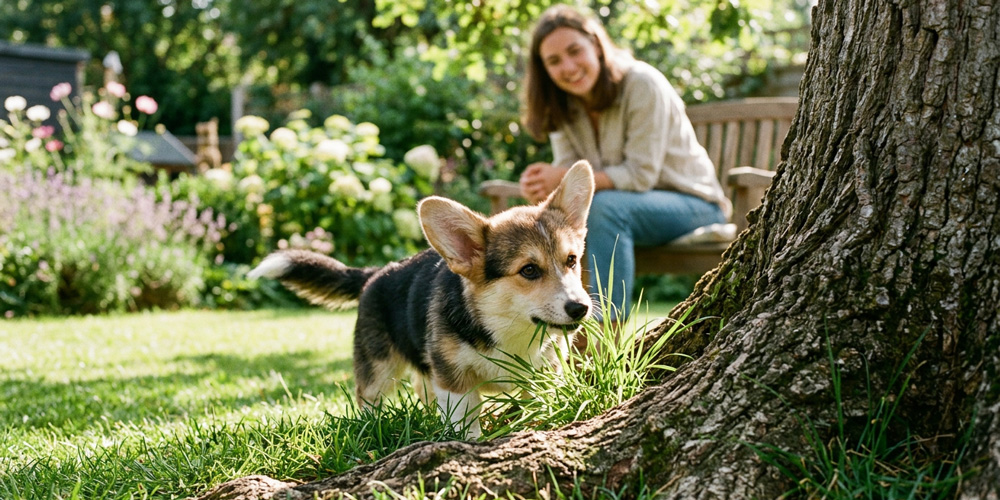
Have you ever caught your canine companion munching on a mouthful of grass and wondered why? You're certainly not alone. Dogs eating grass is one of the most common behaviours pet owners notice, and while it can seem strange, it's usually perfectly normal.
This habit, sometimes associated with a condition called pica, has puzzled dog owners for years. The good news is that occasional grass eating is rarely a cause for concern.
Is It Normal For Dogs To Eat Grass?
Yes. Many dogs eat grass from time to time, and researchers have observed the same behaviour in wild canines. While there isn't one definitive explanation, occasional grass eating is generally considered a normal canine behaviour.
Most dogs that eat grass appear healthy before and after doing so, and only a small percentage vomit afterwards.
Understanding Pica In Dogs
Pica is a condition where animals (and even humans) eat items that aren't considered food. While pica can sometimes signal a nutritional deficiency or underlying health concern, it is often linked to boredom, curiosity, or normal exploratory behaviour, especially in puppies and younger dogs.
Because grass is a natural material, occasional grazing doesn't automatically mean your dog has pica or a health problem.
Why Do Dogs Eat Grass?
While nobody knows for certain, several theories may explain why dogs enjoy a little lawn snack.
- Digestive support: Some experts believe grass may help support digestion or move material through the digestive tract.
- Instinctive behaviour: Wild canines have been observed consuming plant matter, suggesting grass eating may simply be a natural instinct.
- Dietary needs: Some dogs may seek additional fiber if their diet isn't meeting all of their needs.
- Boredom: Dogs that lack mental stimulation may graze simply because it's something interesting to do.
- Taste and texture: Some dogs genuinely seem to enjoy the taste, smell, or texture of fresh grass.
- Upset stomach: Although less common than many people think, some dogs may eat grass when they feel unwell.
When Should You Be Concerned?
Occasional grass eating is generally harmless. However, you may want to speak with your veterinarian if:
- Your dog suddenly starts eating large amounts of grass
- The behaviour becomes obsessive
- They frequently vomit after eating grass
- You notice changes in appetite, energy, or behaviour
- They are eating other non-food items
These signs could indicate an underlying medical issue that warrants further investigation.
How To Reduce Grass Eating
If your dog is constantly grazing, there are a few simple things you can try.
- Increase daily exercise and playtime
- Provide puzzle toys and enrichment activities
- Review their diet with your veterinarian
- Ensure they receive regular parasite prevention
- Provide access to safe chewing alternatives
Boredom and lack of stimulation are common contributors, so a little extra enrichment can often make a noticeable difference.
A Word Of Caution
While grass itself is usually harmless, chemicals on the grass are not. Dogs should never have access to lawns treated with pesticides, herbicides, or fertilizers that may be toxic if ingested.
It's also important to keep up with parasite prevention, as contaminated outdoor environments can expose dogs to intestinal worms and other parasites.
Summary
For most dogs, eating grass is simply a normal part of being a dog. Whether they're satisfying their curiosity, seeking extra fiber, or just enjoying the taste, occasional grazing is rarely a reason to worry.
As long as the grass is free from chemicals and the behaviour isn't excessive, your dog's occasional salad bar visits are likely just another quirky part of their personality.
Frequently Asked Questions
Why does my dog eat grass and then vomit?
Some dogs may vomit after eating grass, but most do not. If vomiting happens frequently, it's worth discussing with your veterinarian.
Does eating grass mean my dog is sick?
Not necessarily. Most dogs that eat grass are otherwise healthy and show no signs of illness.
Can eating grass hurt my dog?
Grass itself is generally safe, but pesticides, herbicides, and other chemicals on lawns can be harmful.
Should I stop my dog from eating grass?
Occasional grass eating is usually normal. However, excessive grass consumption or other unusual behaviours should be discussed with your veterinarian.