Brushing your dog’s teeth might not sound like the most thrilling bonding activity, but it’s one of the most important habits you can build for their overall health. In this guide, we’ll walk you through everything you need to know about how to brush dog teeth, what to do if brushing isn’t an option, and how to tackle stubborn plaque and tartar buildup. Whether you’re a first-time dog parent or just need a refresher, we’ve got you covered with simple tips and tools for cleaner, healthier canine smiles.
Brushing Basics: How to Brush Your Dog’s Teeth?
Brushing your dog’s teeth regularly can help prevent gum disease, bad breath, and costly vet visits. Here's how to do it right:
Step 1: Choosing the Right Toothbrush and Toothpaste
Look for a toothbrush specifically designed for dogs—these usually have softer bristles and angled heads. Never use human toothpaste; instead, opt for pet-safe formulas with flavors dogs love.
Step 2: Get Your Dog Comfortable
Start slow. Let your dog check out the toothbrush and try a little bit of the toothpaste. For a few days, gently touch their mouth and teeth to help them get used to the idea of brushing.
Step 3: Master the Technique
Once your dog is calm, gently lift their lip and brush in small circles. Pay extra attention to the outer parts of the teeth where plaque builds up most. Aim to spend 30–60 seconds on each side of the mouth.
Step 4: Keep It Positive
Give your dog a treat or some praise after brushing. Keeping it a positive experience makes it easier to stick with the routine.
Step 5: Build a Routine
For best results, aim to brush daily. If that’s not doable, a few times a week is still beneficial.
Alternative Ways to Clean Your Dog’s Teeth (No Brushing Required!)
Wondering how to clean dogs teeth if your pup just won’t cooperate with a toothbrush? Here are some brush-free solutions:
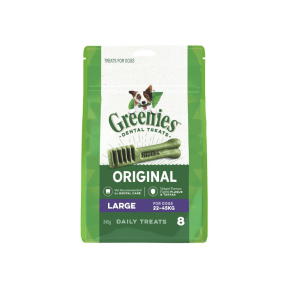
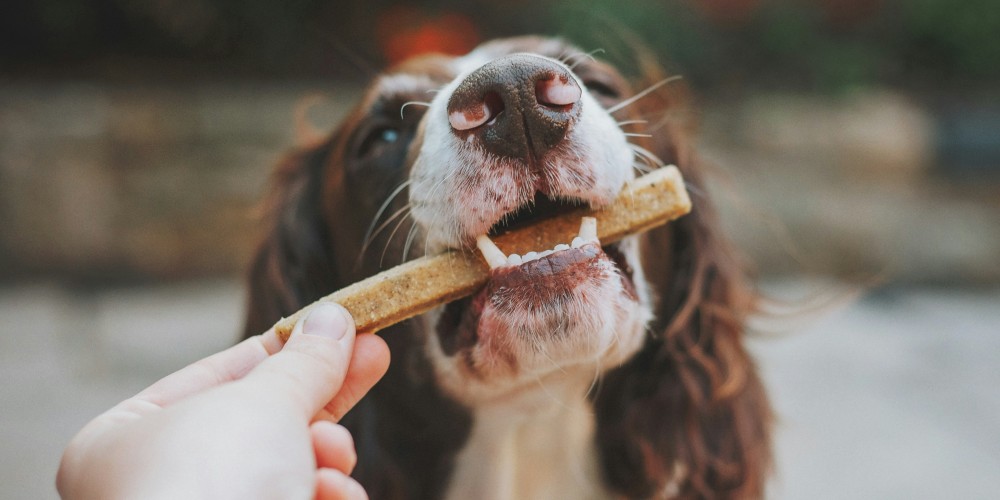
- Dental chews and toys: These can help physically scrape away plaque while keeping your dog entertained.
- Water additives: Add these to your dog’s bowl for fresher breath and improved oral hygiene.
- Dental wipes: Great for on-the-go cleaning or sensitive dogs who dislike brushes.
Explore dental chews and toys here
These methods are ideal for those learning how to clean dog teeth without brushing.
Removing Plaque & Tartar from Dog Teeth
When plaque and tartar build up, they can cause real dental problems. Here's how to get plaque off dog's teeth at home—and when to let the professionals step in.
- Use dental chews or brushes with enzymes to help remove tartar from dog teeth over time.
- For tough buildup, you may need help with how to remove hardened plaque from dog's teeth using vet-approved gels or professional tools.
- If you notice red gums, bad breath, or stained teeth, it’s best to check in with your vet. They can guide you on how to remove calculus from dog’s teeth through a professional dental cleaning.
Learning how to get rid of plaque on dog’s teeth early can prevent long-term issues.
Maintaining Long-Term Oral Health
Consistency is key to keeping your dog’s mouth in top shape. Here’s how:
- Include the best dental treats for dogs in their daily routine to fight plaque naturally.
- Feeding high-quality food—diet plays a huge role in oral health.
- Check your dog’s teeth weekly for any signs of trouble like swelling or dark spots.
A little effort today goes a long way in preventing costly dental procedures later.
How To Brush Your Dogs Teeth FAQ Section
How often should I brush my dog’s teeth?
Ideally, daily! But brushing a few times a week is still effective in reducing plaque and tartar buildup.
What if my dog refuses to let me brush their teeth?
Start slow, use treats, and try alternatives like dental chews, wipes, or water additives while you build trust. You can still find effective solutions on how to clean tartar off dog’s teeth without brushing.
How can I tell if my dog has dental problems?
Look for bad breath, red or swollen gums, loose teeth, or trouble eating. These may signal issues like plaque or tartar buildup.
Can I use human toothpaste on my dog?
No—human toothpaste isn’t safe for dogs and can contain harmful ingredients. Always go with a toothpaste made specifically for pets.
Want to learn more? Explore our full Dog Dental Health Collection and give your furry friend something to smile about!